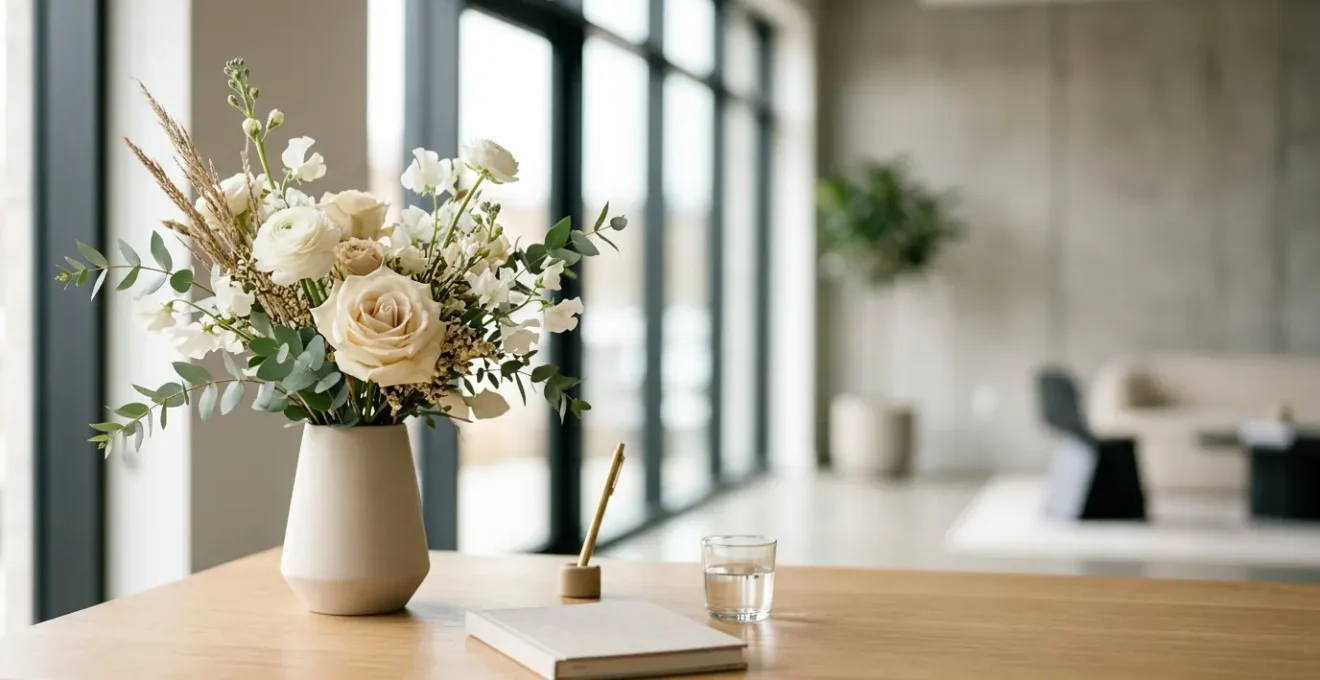
Successful professional floral gifting isn’t about the flowers themselves—it’s a demonstration of your strategic foresight and respect for the recipient’s context.
- The most thoughtful gift is one that eliminates work for the recipient, making pre-arranged vases superior to cut bouquets.
- Environmental factors like pollen count and wrapping quality are critical non-verbal signals of your professionalism and attention to detail.
Recommendation: Treat every floral gift as a deliberate, non-verbal extension of your professional brand, where every choice communicates your standards.
Sending flowers in a professional setting can feel like navigating a minefield. You want to express gratitude, congratulations, or sympathy, but a single misstep can send an unintended message. The standard advice often revolves around what to avoid: don’t send red roses to a client, steer clear of overly fragrant blooms in an open-plan office. While this advice is sound, it positions floral gifting as a risk to be managed rather than an opportunity to be seized.
What if we re-framed the entire act? Instead of focusing on not making a mistake, what if we viewed it as a powerful tool for non-verbal communication? In the world of corporate relationships, a thoughtfully chosen botanical gift does more than brighten a desk; it sends a clear signal about your own professionalism, attention to detail, and emotional intelligence. The true art lies not in the petals and stems, but in the strategic considerations behind them.
This guide moves beyond the basics of floral etiquette. We will deconstruct the process, treating it as a strategic exercise in brand building and relationship management. We will analyze every component—from the vase to the wrapping paper—to help you make choices that are not just safe, but smart. It’s time to transform a simple gesture into a sophisticated statement of professional respect.
Summary: The Strategic Art of Floral Gifting: A Professional’s Guide to Non-Verbal Communication
- Cut Flowers or Vase Arrangement: Which Is Less Work for the Hostess?
- The Pollen Mistake That Ruins the Recipient’s Day
- How to Select a Floral Gift That appeals to Men?
- Why Does the Wrapping Paper Matter as Much as the Flower?
- ICU Rules: Why Are Flowers Often Banned in Critical Care Units?
- Why Are Peonies the Ultimate Symbol for Prosperity and Success?
- How to Brief a Florist for a Custom Bouquet Without Misunderstandings?
- How to Decode the Hidden Emotions Behind a Received Bouquet?
Cut Flowers or Vase Arrangement: Which Is Less Work for the Hostess?
The first strategic decision in professional floral gifting is not the type of flower, but its presentation. The choice between a hand-tied bouquet of cut flowers and a ready-to-display vase arrangement directly reflects your consideration for the recipient’s time and environment. A bouquet of cut flowers, while beautiful, imposes a series of tasks on the recipient: finding a suitable vase, trimming the stems, sourcing water, and managing the cleanup. In a busy professional setting, this gesture of kindness can quickly become a “recipient’s burden.”
The most professional and considerate option is always an arrangement that arrives in its own vase. This eliminates any work for the recipient, allowing them to simply enjoy the gift. It shows that you have considered the practicalities of their workday and value their time. This single choice transforms the gift from a potential interruption into a seamless, positive experience. It is a subtle but powerful signal of foresight and empathy.
The Recipient’s Burden: Hidden Tasks of Office Bouquets
Corporate gifting analysis reveals that traditional cut flower bouquets in professional settings create an average of 7 hidden tasks for recipients: locating a suitable vase, initial stem trimming, water sourcing, daily water changes, petal cleanup, coordinating transport home at day’s end, and eventual disposal. A workplace flower delivery study found that 68% of office recipients appreciated pre-arranged vase presentations specifically because they eliminated these tasks. The study emphasized that in professional contexts, the most thoughtful gift is one that brings joy without adding to the recipient’s mental load or requiring interruptions to their workday.
Ultimately, a pre-arranged gift demonstrates a higher level of planning and respect for the recipient’s professional context. It is the first and most crucial step in ensuring your floral gift is perceived as a purely positive and professional gesture.
The Pollen Mistake That Ruins the Recipient’s Day
Beyond the practicalities of presentation lies a critical health consideration: allergies. Sending a beautiful bouquet of high-pollen flowers like lilies or standard sunflowers into an office environment is a significant professional misstep. With research indicating that 10-30% of people in the Western world suffer from hay fever, the risk of causing discomfort to the recipient or their colleagues is substantial. A gift intended to bring joy can inadvertently cause sneezing, itchy eyes, and respiratory irritation, undermining the positive intent entirely.
The strategic choice is to proactively select low-pollen or hypoallergenic flowers. This demonstrates a sophisticated level of care and awareness of shared professional spaces. Flowers like roses, orchids, and tulips have heavy, sticky pollen that is not easily airborne, making them excellent and safe choices for office environments. By consciously avoiding high-risk flowers, you are not just preventing a negative reaction; you are sending a non-verbal message of consideration and meticulous planning.
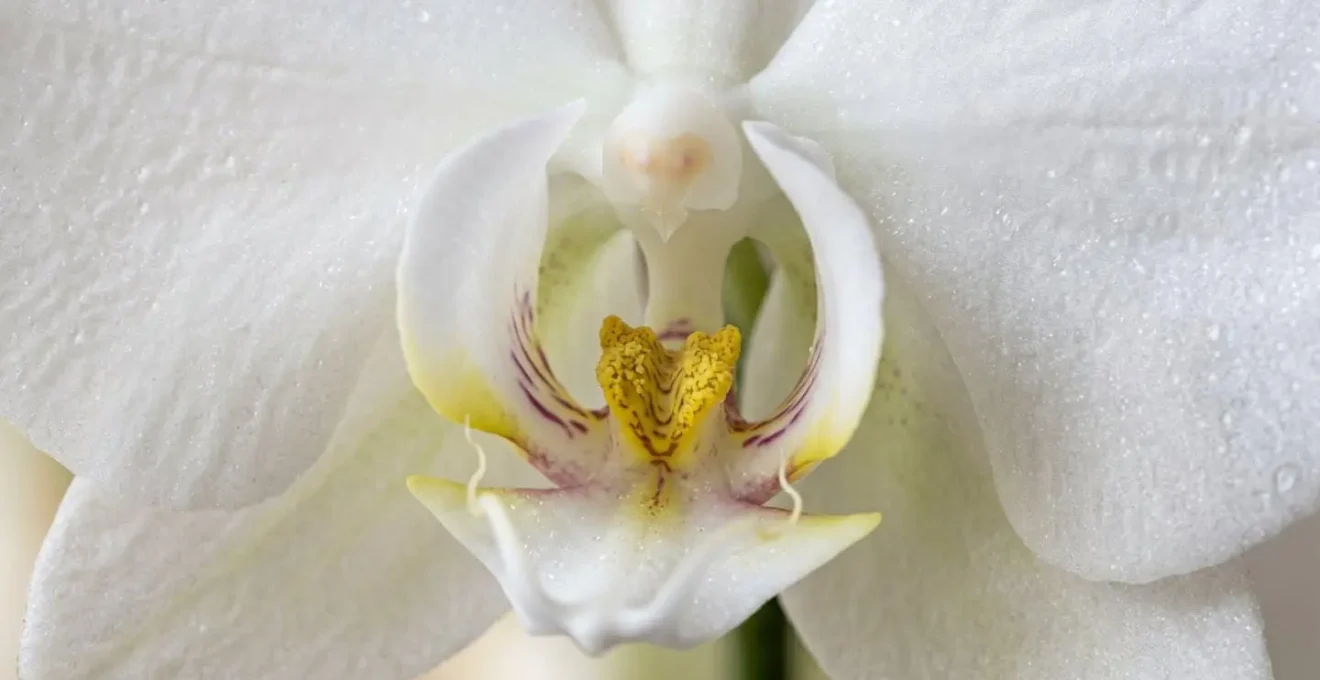
This chart provides a clear guide for selecting office-safe botanicals and avoiding those known to trigger allergic reactions.
| Flower Type | Pollen Risk Level | Scientific Reason | Office Suitability |
|---|---|---|---|
| Roses (English species) | Low | Heavy, sticky pollen; insect-pollinated; minimal airborne dispersal | Excellent – safe for most allergy sufferers |
| Orchids | Very Low | Sticky pollen that requires intentional disturbance; hypoallergenic | Excellent – ideal for sensitive environments |
| Tulips | Low | Minimal pollen release; scent-free options available | Excellent – professional and clean aesthetic |
| Succulents | Minimal | Significantly less pollen than flowering plants | Excellent – low maintenance bonus |
| Hypoallergenic Sunflowers | Low | Pollen too large to spread easily in air | Good – ensure hypoallergenic variety |
| Standard Sunflowers | High | Large center releases substantial pollen amounts | Avoid – triggers allergic reactions |
| Lilies (with exposed stamens) | High | Large amounts of airborne pollen; can stain | Avoid – unless stamens professionally removed |
| Jasmine | High | Releases significant pollen; strong fragrance irritant | Avoid – dual allergy triggers |
| Daisies & Chrysanthemums | Moderate-High | Common in mixed bouquets; noticeable symptoms | Caution – not recommended for allergy-prone offices |
How to Select a Floral Gift That appeals to Men?
The outdated notion that flowers are not for men has no place in modern professional gifting. The key is to shift the selection criteria from traditional, soft aesthetics to a focus on structure, symbolism, and personal taste. A well-chosen botanical gift for a male colleague, client, or boss communicates respect and appreciation in a sophisticated, gender-neutral way. The focus should be on architectural forms and strong symbolism over delicate or romantic connotations.
Think in terms of design elements. Flowers with bold, clean lines like orchids, anthuriums, or birds of paradise create a strong visual impact. Similarly, non-floral botanicals like bamboo (symbolizing resilience) or a bonsai tree (representing strategic patience) can be even more powerful and lasting gifts. Color choice is also strategic: deep reds for respect, whites for sophistication, or blues for trust are more appropriate than soft pastels. As the ORCHID FLORIST Design Team notes, the message is what matters:
flowers have no gender. Each type of flower carries a specific message, such as strength, respect, loyalty, and courage, which are actually very relevant to give to men
– ORCHID FLORIST Design Team, 7 Best Masculine Flowers for Men’s Gifts
The following criteria can help guide a selection that is both professional and impactful, focusing on aesthetic and symbolic alignment rather than outdated gender norms.
- Criterion 1: Structural Aesthetics – Choose flowers with architectural forms (orchids, birds of paradise, anthuriums) vs. soft, romantic shapes; focus on bold petal geometry.
- Criterion 2: Color Psychology – Select based on professional symbolism: deep reds/burgundy (respect, strength), whites (clarity, sophistication), blues/purples (trust, wisdom), yellows/oranges (achievement, energy).
- Criterion 3: Minimalist vs. Lush Composition – Match recipient’s aesthetic preference: clean monochrome arrangements for minimalists, textured garden-style for maximalists.
- Criterion 4: Symbolic Alignment – Pair botanicals with professional virtues: bamboo (resilience), snake plants (strength, endurance), bonsai (strategic patience, long-term thinking).
- Criterion 5: Interest-Based Personalization – Tech enthusiasts: geometric succulents or terrariums; Design lovers: sculptural arrangements; Nature advocates: sustainable, locally-sourced botanicals.
Why Does the Wrapping Paper Matter as Much as the Flower?
In professional gifting, the presentation is not an afterthought; it is the first sentence of your non-verbal communication. The quality and style of the wrapping form the recipient’s initial impression, long before they see the flowers themselves. Cheap cellophane, crinkly plastic, or overly festive ribbons can immediately devalue a thoughtful gift, suggesting a lack of attention to detail or a last-minute purchase. Conversely, high-quality, understated packaging signals respect, sophistication, and a deliberate investment in the gesture.
This is not just a matter of opinion; it’s a measurable psychological effect. The packaging frames the entire experience and sets the tone for how the gift is perceived. In a corporate context, the ideal wrapping is clean, modern, and professional. Think neutral-toned tissue paper, elegant fabric ribbons, or minimalist kraft paper. The wrapping should look at home in a high-end office, not at a birthday party. It is a tangible extension of your professional brand, and it should be treated with the same level of care as the gift itself.
First Impression Theory: Wrapping as Non-Verbal Corporate Communication
Business etiquette research demonstrates that packaging quality directly impacts perceived thoughtfulness in professional settings. A corporate gifting analysis found that recipients form their initial impression of a floral gift within 3 seconds, with wrapping quality accounting for 60% of that assessment. Cheap cellophane and excessive ribbons are interpreted as lack of attention to detail, while crisp tissue paper in neutral tones and understated fabric ribbons signal respect and professionalism. The study noted that in client relationships, packaging should be clean and modern, appearing as if it belongs in an office rather than at a wedding celebration, with the wrapping itself becoming a non-verbal cue of the sender’s professional standards.
For professionals looking to make a sophisticated statement, sustainable wrapping options offer a dual message of quality and corporate responsibility.
Action Plan: Sustainable Wrapping as a Corporate Value Statement
- Option 1: Furoshiki Method – Japanese fabric wrapping technique; reusable, elegant, demonstrates cultural awareness and sustainability commitment.
- Option 2: Seed Paper – Biodegradable wrapping embedded with wildflower seeds; recipient can plant it, creating a lasting environmental impact narrative.
- Option 3: Dual-Purpose Containers – Present flowers in stylish ceramic pots or designer boxes that serve as permanent desk accessories, extending gift lifespan.
- Option 4: Minimalist Kraft Paper – Natural, unbleached paper with simple twine; communicates authenticity and environmental consciousness without sacrificing sophistication.
- Implementation Note: For corporate clients, subtle branding (brand colors or small embossed logo on ribbon) is acceptable when tasteful and non-promotional.
ICU Rules: Why Are Flowers Often Banned in Critical Care Units?
While flowers are a common gesture of support, there are specific professional and medical environments where they are strictly prohibited for critical health and safety reasons. The most prominent example is the Intensive Care Unit (ICU) in hospitals. This restriction is not arbitrary; it is based on firm scientific evidence. The standing water in a flower vase, as well as the soil of potted plants, can become breeding grounds for bacteria and mold, such as Pseudomonas and Aspergillus.
These microorganisms pose little threat to healthy individuals but can be life-threatening to patients with compromised immune systems, such as those in critical care, oncology wards, or burn units. According to CDC guidelines for healthcare facilities, the risk of infection from environmental pathogens is a primary concern. The presence of Aspergillus mold spores in flower water and soil poses a particular danger to immunocompromised patients. Sending flowers to these areas is not just a breach of etiquette; it is a potential health hazard that demonstrates a critical lack of awareness.
This principle extends beyond hospitals to other controlled environments like clean rooms in tech or pharmaceutical companies, and professional kitchens, where contamination control is paramount. Before sending any botanical gift, it is your professional responsibility to verify the recipient’s environmental policy. A quick call to the hospital’s information desk or the company’s reception is a mandatory step. Ignoring this rule can cause significant issues for the facility and embarrassment for both you and the recipient.
| Environment Type | Typical Flower Policy | Scientific Rationale | Approved Alternatives |
|---|---|---|---|
| ICU / Critical Care Units | Prohibited | Aspergillus mold in vase water; bacteria (Pseudomonas, Klebsiella) pose infection risk to immunocompromised patients | Botanical art prints, nature photography, artificial plants (staff-approved) |
| Oncology / Chemotherapy Wards | Often Restricted | Immunosuppressed patients vulnerable to mold and bacteria in soil and water | Cards, books, digital flower displays |
| Burn Units | Prohibited | Bacteria in soil and standing water can cause severe infections in compromised skin barrier patients | Music players, audio books, comfort items |
| Neonatal ICU (NICU) | Prohibited | Newborns highly vulnerable to environmental pathogens | Parental support resources, memory books |
| Clean Rooms (Tech/Pharma) | Prohibited | Particulate contamination from pollen and soil disrupts sterile manufacturing environments | High-quality botanical illustrations, nature-themed artwork |
| Professional Kitchens / Food Labs | Restricted | Food safety regulations prohibit potential contamination sources near food preparation | Culinary herb gardens (designated areas), food-safe decorative elements |
| Scientific Research Labs | Varies by Protocol | Biological contamination risks depend on research type; pollen can interfere with experiments | Synthetic botanical displays, science-themed artwork |
| General Hospital Wards | Usually Permitted | Immunocompetent patients face minimal risk with proper flower care | Low-allergy flowers, properly maintained arrangements |
Why Are Peonies the Ultimate Symbol for Prosperity and Success?
In the language of flowers, few blooms carry the weight of positive, professional symbolism as universally as the peony. While many flowers are tied to romance, the peony stands apart, primarily representing prosperity, honor, and good fortune across cultures. This makes it an exceptionally safe and strategic choice for a wide range of professional occasions, from celebrating a promotion to closing a major deal. Its historical association with wealth and nobility elevates the gesture beyond simple congratulations.
The peony’s power lies in its rare cross-cultural appeal. In Eastern traditions, particularly in China where it is known as the “flower of riches and honor,” it has been a symbol of high social status and prosperity for centuries. In the West, it is associated with good fortune, abundance, and a happy life. This dual, universally positive connotation makes it an ideal tool for international business relationships, conveying respect and well wishes without the risk of cultural misinterpretation.
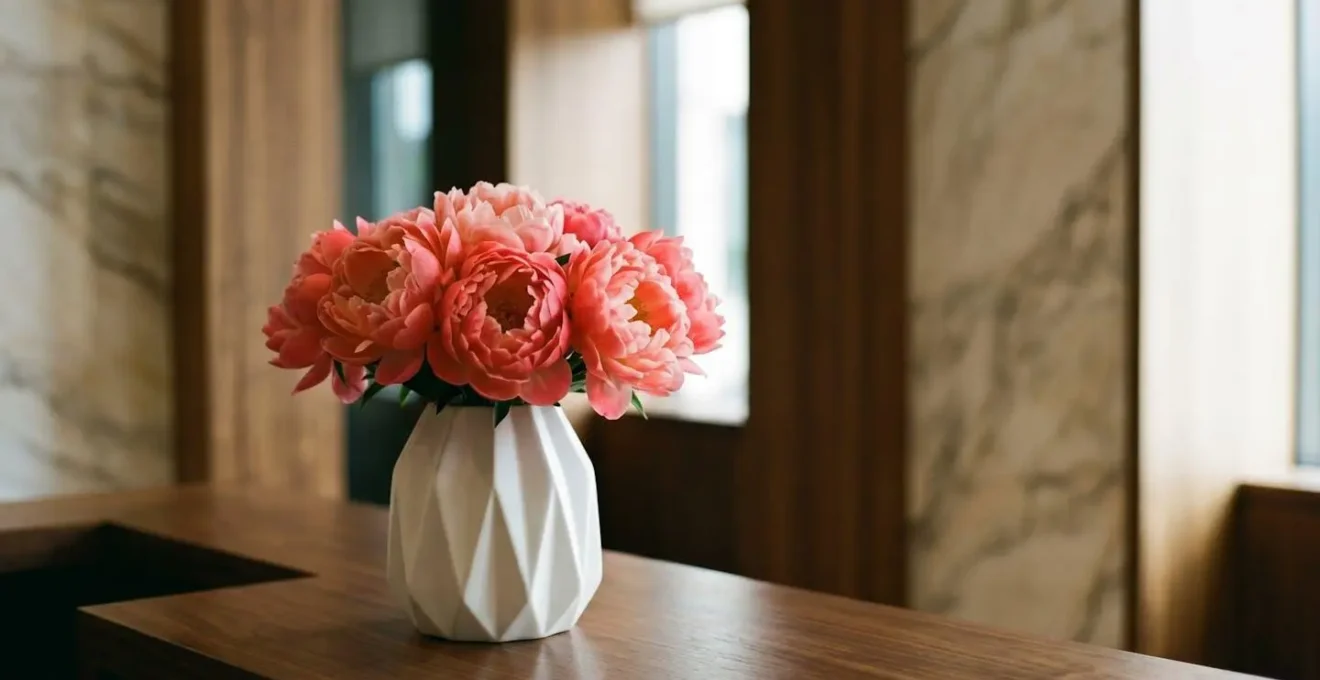
The seasonal and often luxurious nature of peonies—typically available for a short period in late spring and early summer—adds to their perceived value. Gifting peonies signifies a timely, thoughtful, and significant gesture, reflecting the importance you place on the recipient and the occasion.
Cross-Cultural Advantage of Peonies in International Business
Cultural symbolism analysis reveals peonies possess rare cross-cultural universality, making them exceptionally safe for international business contexts. In Eastern cultures (China, Japan, Korea), peonies symbolize prosperity, honor, nobility, and high social status. In Western traditions, peonies represent romance, prosperity, and good fortune. This dual positive connotation makes peonies particularly strategic for global partnerships. An executive gifting peonies to an international client conveys congratulations without cultural misstep. The flower’s seasonal luxury status adds perceived value and significance to the gesture.
How to Brief a Florist for a Custom Bouquet Without Misunderstandings?
Translating your strategic intent into a tangible floral arrangement requires clear, precise communication with your florist. A vague request like “a nice bouquet for a client” leaves too much to interpretation and risks sending the wrong message. To ensure the final product aligns perfectly with your professional goals, you must provide a detailed brief that leaves no room for misunderstanding, especially regarding romantic undertones.
A professional florist briefing is not just about specifying flowers and a budget; it’s about providing context and constraints. You must clearly define the relationship (client, superior, peer), the specific occasion, and the desired emotional message (e.g., “respectful congratulations,” “dignified sympathy”). It is also crucial to specify any restrictions, such as requesting low-pollen options or explicitly stating “avoid romantic tones like reds and pinks” to maintain clear professional boundaries. Providing the recipient’s office context—such as desk size or whether it’s an open-plan space—also helps the florist design a practical and appropriate arrangement.
A detailed brief empowers the florist to act as your strategic partner, using their expertise to create an arrangement that is not only beautiful but also perfectly aligned with your professional communication objectives. This checklist provides the essential fields for a comprehensive and mistake-proof florist brief.
- Field 1: Relationship Context – Specify ‘Client,’ ‘Superior,’ ‘Peer,’ or ‘Employee’ to guide formality level and avoid romantic misinterpretation.
- Field 2: Occasion & Professional Context – Detail the milestone (promotion, retirement, project completion) to align flower symbolism appropriately.
- Field 3: Recipient’s Office Environment – Describe desk size, available light, open-plan vs. private office to ensure practical arrangement sizing.
- Field 4: Known Allergies or Sensitivities – Explicitly request low-pollen, hypoallergenic, or scent-free options if recipient has shared allergies or works in shared space.
- Field 5: Color Preferences & Restrictions – Note favorite colors or corporate brand colors if relevant; specify ‘avoid romantic tones (reds, pinks)’ for professional boundaries.
- Field 6: Budget Guidance with Context – Provide range and explain rationale (e.g., ‘mid-range, appropriate for valued client but not extravagant to avoid discomfort’).
- Field 7: Desired Emotional Message – Use accessible terms: ‘congratulations with respect,’ ‘sympathy with dignity,’ ‘gratitude without over-familiarity’.
- Field 8: Delivery Instructions – Include recipient’s full name, department, office address, best delivery time window, and any security/reception protocols.
Key Takeaways
- Prioritize the recipient’s experience: A truly professional gift eliminates work and hassle, making pre-arranged vases and low-maintenance plants superior choices.
- Context is non-negotiable: Always consider the recipient’s environment, from potential allergies in an open-plan office to strict prohibitions in medical facilities.
- Every detail is a message: The quality of the wrapping, the choice of flower symbolism, and the clarity of your instructions to the florist all contribute to the non-verbal signal you are sending.
How to Decode the Hidden Emotions Behind a Received Bouquet?
Just as sending flowers is a strategic act, receiving them in a professional context requires a degree of interpretation. The choices the sender made—whether conscious or not—provide valuable insight into their level of effort, their perception of the relationship, and the significance they place on the occasion. By understanding the hierarchy of effort, you can decode the unspoken message behind the bouquet and formulate a response that is both appropriate and appreciative.
The spectrum of effort is wide. A generic supermarket bouquet signifies a low-effort courtesy gesture, while a bespoke arrangement from a high-end designer indicates a significant investment of time and resources. Recognizing this difference is key. Over-effusive thanks for a low-effort gift can create awkwardness, while a casual email in response to a highly considered one can be perceived as ungrateful. The goal is to match the formality and timeliness of your acknowledgment to the perceived effort of the sender.
The following table breaks down the implied message of different gift types and suggests an appropriate response protocol. Similarly, the sender’s position in the professional hierarchy (superior, client, peer) should also influence the form your thank-you takes. A handwritten note is almost always the most powerful and professional response for a significant gift from a client or superior.
| Gift Type | Effort Level | Implied Message | Appropriate Thank-You Response |
|---|---|---|---|
| Generic Supermarket Bouquet | Low | Courtesy gesture; fulfilling social obligation; limited personal thought | Quick thank-you email same day; acknowledge gesture without over-effusiveness |
| Online Florist Standard Arrangement | Moderate | Genuine appreciation; thoughtful but streamlined; respects professional boundaries | Personalized email or handwritten note within 24-48 hours; mention specific flower or detail noticed |
| Bespoke Designer Arrangement | High | Significant respect/esteem; investment of time and resources; desire to honor milestone meaningfully | Formal handwritten thank-you note on quality stationery; for superiors/major clients, consider follow-up phone call |
| Rare/Specialty Botanical Gift | Very High | Deep personal consideration; alignment with your known interests; relationship investment beyond professional norm | Handwritten note plus personal acknowledgment (in-person thank you when appropriate, photo of gift displayed in your space) |
| Group Gift with Multiple Contributors | Collaborative | Team recognition; shared appreciation; celebrates role within group dynamic | Thank the organizer directly, plus group acknowledgment (email to team or mention at meeting if culturally appropriate) |
By treating floral gifting as a form of strategic communication, you elevate a simple gesture into a powerful tool for building and maintaining professional relationships. The key is to shift your focus from simply buying flowers to meticulously planning a non-verbal message that conveys respect, thoughtfulness, and impeccable attention to detail.
Frequently Asked Questions on How to Navigate the Social Rules of Floral Gifting in Professional Settings?
What does ‘monochrome arrangement’ mean in floral design?
A monochrome arrangement uses variations of a single color (e.g., all whites from ivory to cream, or shades of purple from lavender to deep plum). This creates a sophisticated, cohesive look ideal for professional settings and minimalist aesthetics.
What is an ‘architectural’ bouquet style?
Architectural bouquets emphasize structure, clean lines, and geometric forms. They often feature flowers with strong shapes (orchids, anthuriums, calla lilies), minimal foliage, and asymmetrical or linear compositions that resemble modern sculpture rather than traditional round bouquets.
How do I request a ‘textured’ arrangement?
A textured arrangement combines flowers and foliage with varying surface qualities—smooth petals paired with fuzzy leaves, glossy greenery with matte blooms. This adds visual and tactile interest, creating depth without relying on color contrast. Specify ‘I want visual texture and dimension’ to your florist.
What does ‘analogous color scheme’ mean for flowers?
Analogous colors sit next to each other on the color wheel (e.g., blues, purples, and violets, or yellows, oranges, and reds). This creates harmony and sophistication without the drama of complementary contrasts, ideal for elegant professional gifts.