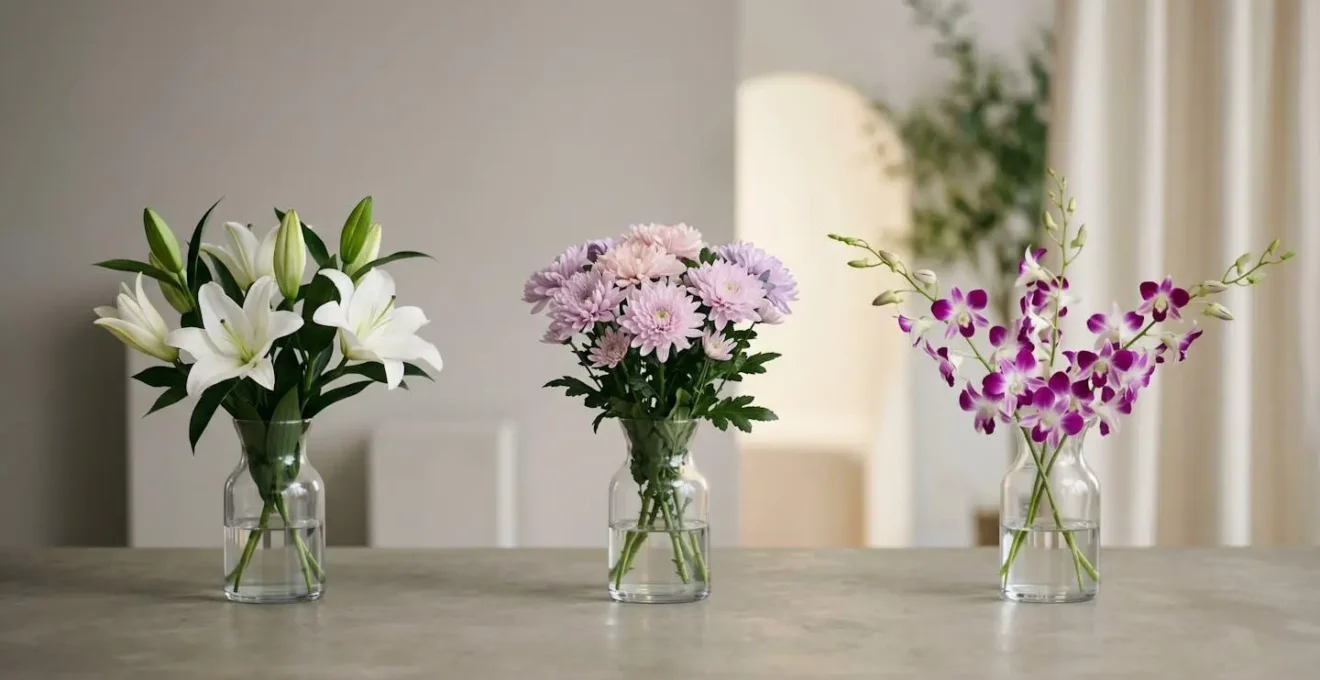
The fear of causing offense with the wrong sympathy flowers often leads to impersonal choices, but true comfort lies in making a thoughtful, grief-informed decision.
- Cultural and religious literacy is non-negotiable; flowers are beautiful tributes in some traditions and strictly inappropriate in others (like a Jewish Shiva).
- Practical considerations, such as the recipient’s pet ownership (lily toxicity) and the logistics of home vs. funeral parlor delivery, are as important as symbolic meaning.
Recommendation: Before choosing, perform a quick ‘etiquette audit’ by checking the obituary for instructions, considering the family’s specific context, and prioritizing a safe, meaningful gesture over a generic one.
Expressing condolences is one of the most delicate social responsibilities we face. In a moment of profound grief, the desire to show support is often coupled with a deep-seated fear of doing or saying the wrong thing. This anxiety is never more present than when choosing sympathy flowers. The default choice often becomes a generic bouquet of white lilies, a safe but sometimes impersonal gesture born from uncertainty. We worry about cultural missteps, personal preferences, and the unspoken rules that seem to govern mourning.
But what if the key to offering genuine comfort wasn’t just about following a rigid set of rules, but about understanding the principles behind them? The true value of a sympathy arrangement lies not in its size or cost, but in the thoughtfulness of the gesture. It’s about demonstrating an awareness of the family’s circumstances, from their religious beliefs to whether they own a cat. This is the essence of grief-informed etiquette: moving beyond platitudes to make an intentional choice that provides solace without adding a single ounce of burden.
This guide is designed to replace that fear with confidence. We will navigate the critical decisions you’ll face, explaining the ‘why’ behind each piece of advice. From selecting the right type of arrangement and understanding color symbolism to respecting religious traditions and ensuring the safety of household pets, you will learn how to make a choice that is not only appropriate but also deeply meaningful. It’s about turning a simple bouquet into a powerful and personal expression of support.
To help you navigate these sensitive choices, this article breaks down the essential considerations for selecting a truly respectful and comforting floral tribute. The following sections will guide you through each step of the decision-making process.
Summary: How to Choose Sympathy Flowers That Respect Cultural and Religious Mourning?
- Wreath or Standing Spray: Which Arrangement Is Appropriate for the Family?
- Why Peace Lilies Are the Preferred Long-Lasting Sympathy Gift?
- Is It Appropriate to Send Colorful Flowers to a Funeral?
- The Delivery Mistake: Sending Flowers to the Home vs. the Funeral Parlor
- Why Should You Never Send Flowers to a Jewish Shiva?
- The Cat Owner’s Nightmare: Why You Must Never Gift Lilies to Feline Households?
- The Resilience Flower: Sending Gladiolus to Signal Strength
- How to Personalize Funeral Flowers to Reflect the Deceased’s Hobbies?
Wreath or Standing Spray: Which Arrangement Is Appropriate for the Family?
Walking into a funeral service, the most prominent floral arrangements are often the large wreaths and standing sprays flanking the casket. Choosing between these formats is one of the first and most important decisions, as it communicates your relationship to the deceased and their family. This isn’t about grandeur, but about understanding social and symbolic context. The scale and style of your tribute should reflect the intimacy of your connection, a concept known as grief-informed etiquette.
A standing spray is a one-sided arrangement on an easel, designed to be a public tribute. It’s an appropriate choice for friends, colleagues, or community organizations to collectively express respect and sorrow. A wreath, with its circular shape, symbolizes eternal life and unending remembrance. This powerful symbolism makes it a fitting tribute from close friends and extended family. The most prominent arrangement, the casket spray, is exclusively reserved for the immediate family—the spouse, children, or parents of the deceased. Selecting this as a friend would be a significant breach of etiquette.
Ultimately, your choice is a quiet statement of your place in the deceased’s life. A modest, elegant spray from a group of coworkers acknowledges a respected professional relationship, while a thoughtfully chosen wreath from a lifelong friend speaks to a deeper, personal bond. When in doubt, erring on the side of a more modest arrangement is always the most respectful path. Coordinating with other friends or family members can also prevent duplication and ensure a balanced and beautiful display of support.
Why Peace Lilies Are the Preferred Long-Lasting Sympathy Gift?
While cut flowers offer beauty during the funeral service, their ephemeral nature can be a poignant reminder of the loss itself. This is why a growing number of people are choosing to send a living plant to the family’s home. Among these, the Peace Lily (Spathiphyllum) has become the preferred choice, not just for its elegant white blooms and deep green leaves, but for the profound symbolic and therapeutic value it offers long after the services have concluded.
A Peace Lily becomes a “living memorial,” a gentle, continuing presence that represents peace, healing, and the soul’s rebirth. Unlike a bouquet that wilts, a plant requires care, creating a small, manageable ritual for the bereaved. This simple act of watering and tending to a living thing can be a quiet, therapeutic focal point for grief, providing a sense of purpose and a connection to life during a disorienting time. Its ability to thrive in low-light indoor conditions also makes it a low-burden gift for a family that may not have the energy for complex plant care.
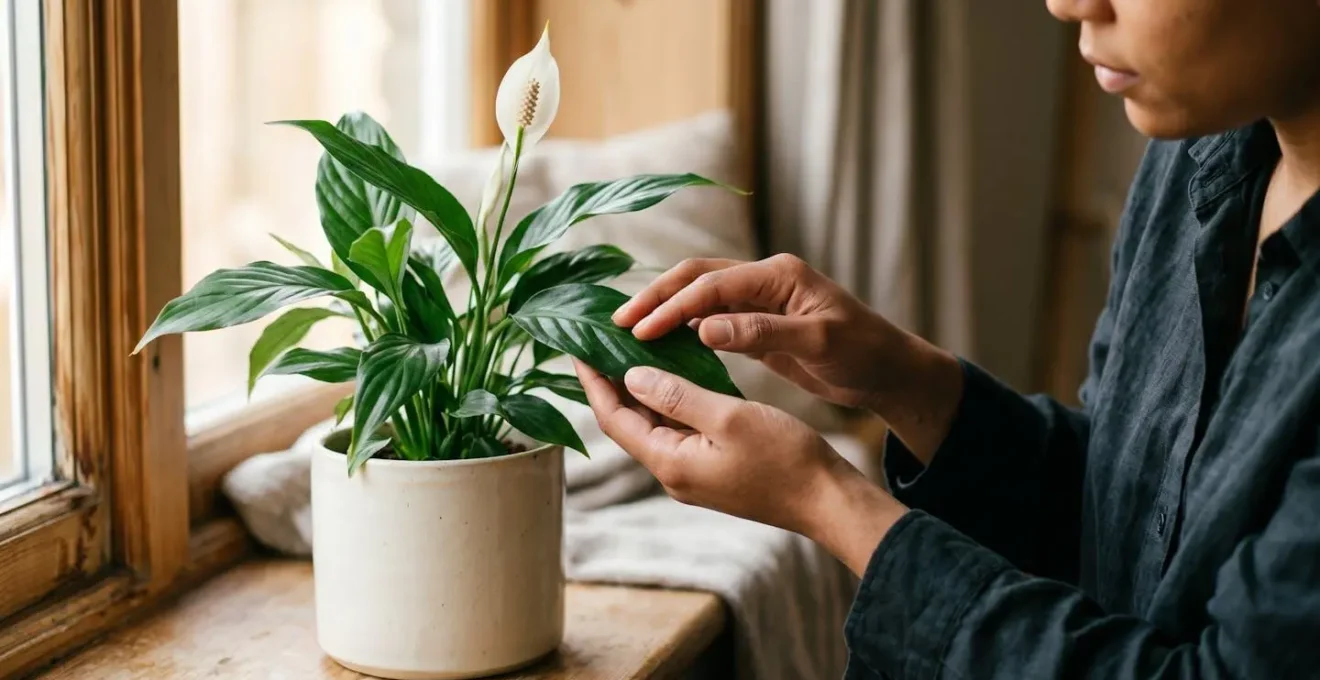
This concept of a living tribute provides lasting comfort that evolves with the family’s journey through grief. As the plant grows and occasionally re-blooms, it serves as an enduring reminder of both the life that was lost and the continued support of friends and community. While other plants like orchids or succulents also carry symbolic weight, the Peace Lily’s combination of resonant symbolism and ease of care makes it a uniquely compassionate and appropriate sympathy gift.
The following table compares several long-lasting plant options, highlighting why the Peace Lily often stands out as the most balanced choice for a sympathy gift. As this comparative analysis of sympathy plants shows, factors like care level are crucial when choosing a gift for a grieving family.
| Plant Type | Symbolism | Care Level | Best For | Potential Drawback |
|---|---|---|---|---|
| Peace Lily | Peace, tranquility, sympathy, healing, rebirth | Low (thrives in low light, weekly watering) | Most grieving situations; therapeutic focal point for grief | Toxic to pets; needs consistent moisture |
| Orchid | Everlasting love, eternal beauty, sympathy | Moderate (specific light/water needs) | Honoring a beloved spouse or partner | Sensitive to temperature; can be intimidating to beginners |
| Succulent | Resilience, endurance, strength | Very Low (minimal watering, forgiving) | Recipients who travel frequently or lack gardening experience | Less traditional; may feel too casual for some |
| Bonsai | Harmony, contemplation, respect | High (requires careful pruning, specific conditions) | Someone who appreciates mindful rituals and has gardening skill | Care burden may overwhelm grieving recipient |
A living plant is not just a gift, it’s a ‘living memorial.’ It represents continued life and can be a therapeutic focal point for grief.
– Peace Lily Symbolism Experts, Peace Lily for Funeral or Sympathy Gift: A Living Tribute for Loved Ones
Is It Appropriate to Send Colorful Flowers to a Funeral?
One of the most common sources of anxiety when sending sympathy flowers is the choice of color. Tradition heavily favors white, and for good reason. According to funeral etiquette experts, white is the most traditional and widely accepted color, symbolizing purity, peace, and innocence across most Western cultures. It is the safest and most respectful choice, especially when you did not know the deceased well or are unfamiliar with the family’s preferences. Choosing white is an intentional gesture of sober, dignified respect.
However, a funeral is not always a somber affair; increasingly, services are framed as a “Celebration of Life.” In these contexts, colorful flowers can be entirely appropriate and deeply meaningful. A vibrant arrangement of yellows, oranges, and pinks can honor a vivacious, joyful personality, reflecting the brightness they brought to the world. A palette of deep purples and whites can convey dignity, admiration, and respect for a well-lived life. The key is context. The choice of color should be an homage to the deceased, not a personal aesthetic preference.
There are, however, firm boundaries. Bright colors, especially red, are highly inappropriate in many contexts, including Orthodox Christian funerals and many East Asian cultures where red symbolizes joy and good fortune. If the obituary specifically requests muted tones or you have any doubt, you must default to the quiet elegance of white and green. A colorful tribute is a beautiful idea, but it requires a degree of confidence in your understanding of the deceased’s personality and the nature of the service. When that confidence is lacking, traditional sobriety is the most compassionate choice.
- Serene Pastels (Lavender, Soft Pink): Best for honoring a gentle, peaceful soul. Conveys grace and affection.
- Traditional White & Cream: The universal symbol of peace and honor. The safest choice in any situation.
- Vibrant Celebration (Yellows, Oranges): Appropriate for a “Celebration of Life” honoring a joyful, energetic personality.
- Dignified Purples: Conveys royalty, dignity, and admiration for an esteemed individual.
The Delivery Mistake: Sending Flowers to the Home vs. the Funeral Parlor
The question of where to send sympathy flowers—to the funeral home or to the family’s private residence—is a crucial logistical and emotional decision. There is no single correct answer; the right choice depends entirely on the family’s wishes and the type of support you intend to offer. Making the wrong choice can create an unintended burden for a grieving family, turning a thoughtful gesture into a logistical problem.
Sending a large, formal arrangement like a standing spray or wreath to the funeral parlor is standard practice. These are public tributes designed to be part of the collective memorial at a visitation or service. Sending such an arrangement to a private home would be overwhelming and impractical. The funeral home is the appropriate destination when you want your condolences to be part of the shared, public ritual. Conversely, sending flowers to the family’s home is a more personal, intimate gesture. This is the correct choice if the service is private, if you learned of the death after the funeral, or if you are sending a smaller arrangement or a living plant intended to provide lasting comfort.
A particularly thoughtful approach is the strategic delayed delivery. Sending a plant or a fresh bouquet to the home one or two weeks after the funeral can be a profound act of care. This is when the initial flood of support has subsided, the house is quiet, and the family is often facing the next, lonelier phase of grief. Your gesture arrives as a reminder that they are not forgotten. This is especially relevant as funeral formats change. As the National Funeral Directors Association projects the U.S. cremation rate to reach 63.4% in 2025, services are often becoming more personalized and delayed, making delivery to the home an increasingly common and considerate option. Always check the obituary first for explicit instructions like “In lieu of flowers…” or specific delivery directions.
Your Strategic Delivery Decision Guide
- Send to Funeral Home When: You are sending a large, formal arrangement (wreath, spray) for a public visitation or service as part of a shared tribute.
- Send to Family Home When: The service is private, you are sending a gift after the funeral, or your intent is to offer lasting, personal comfort with a plant or smaller bouquet.
- Consider Strategic Delayed Delivery: Send flowers to the home 7-14 days after the funeral to offer support when the initial wave of visitors has gone.
- Decode the Obituary: Look for specific instructions regarding flowers or donations. If none are provided, the funeral home is the safest default for a public tribute.
- Confirm Timing: When sending to the funeral home, ensure delivery is scheduled for the day before the visitation or the morning of the service.
Why Should You Never Send Flowers to a Jewish Shiva?
Cultural and religious literacy is paramount in expressing condolences, and there is no clearer example than the tradition of sitting Shiva in Judaism. While flowers are a near-universal symbol of sympathy in many cultures, sending them to a Jewish home during the seven-day mourning period of Shiva is a significant cultural misstep. Understanding why is key to offering support that is genuinely helpful and respectful.
Shiva is the Jewish process of mourning a loss, and flowers are often considered an interruption to this process. The ephemeral nature of cut flowers conflicts with Jewish cultural emphasis on enduring remembrance.
– Jewish Mourning Tradition Experts, How to Send Flowers to a Funeral Home – Funeral Flower Etiquette
The core of the issue lies in the purpose of Shiva. It is a time for intense mourning, spiritual reflection, and focusing on the enduring memory of the deceased. Flowers, which are beautiful but temporary, are seen as a distraction from this solemn process. Their festive and celebratory connotations can feel out of place in a home of mourning. Furthermore, the practicalities of receiving flowers—finding a vase, adding water, and disposing of them when they wilt—create a burden for a family that is forbidden from many daily tasks, including cooking.
Instead of flowers, the appropriate way to show support is through actions that ease the family’s burden and honor the tradition. The most common and appreciated gesture is to bring or send a kosher food platter, as the family and visitors must be fed. Another meaningful tribute is making a charitable donation (Tzedakah) in the deceased’s name. Above all, the most valued gift is your quiet presence during a Shiva call. The tradition is not about conversation, but about being there to listen and provide a comforting presence. For secular or Reform Jewish families, it is always wisest to err on the side of tradition. When in doubt, a non-floral gift is the most considerate choice.
- Kosher Food Platters: The most traditional and practical gift to ease the family’s burden.
- Charitable Donation (Tzedakah): A meaningful tribute made in the deceased’s name.
- Your Presence: Visiting during Shiva hours to offer silent support is highly valued.
- Planting a Tree in Israel: A gift of enduring remembrance that aligns with cultural values.
The Cat Owner’s Nightmare: Why You Must Never Gift Lilies to Feline Households?
In your effort to provide comfort, the last thing you want to do is inadvertently introduce a danger into the grieving family’s home. Yet, one of the most popular sympathy flowers—the lily—is a lethal poison to cats. This is not a minor issue of an upset stomach; ingestion of any part of a true lily plant, including the pollen, can cause acute and fatal kidney failure in felines. This critical piece of information elevates pet safety from a minor consideration to an absolute necessity in sympathy etiquette.
The danger is not limited to lilies. Many common flowers found in bouquets, such as tulips, daffodils, azaleas, and chrysanthemums, are also toxic to cats and dogs. As a friend or colleague, you may not know if the bereaved family has pets. This is where a moment of discreet investigation becomes an act of profound care. A quick check of their social media profiles or a quiet question to a mutual friend can prevent a potential tragedy. Framing the question thoughtfully—”I’m choosing some flowers for them and want to make sure they’re perfect for their home”—shows consideration without being intrusive.
Fortunately, there are many beautiful and completely pet-safe alternatives. Roses, sunflowers, orchids, snapdragons, and gerbera daisies are all non-toxic and make for stunning arrangements. When ordering from a florist, you can and should explicitly request a “pet-safe bouquet.” If the deceased was a known animal lover, perhaps the most meaningful tribute of all would be a donation in their name to a local animal shelter or rescue organization. This gesture honors their passion and provides comfort to the family by showing that you remember what was important to them.
The Resilience Flower: Sending Gladiolus to Signal Strength
Beyond color and form, flowers carry a rich language of symbolism, an opportunity to imbue your condolence with a deeper layer of meaning. Choosing an arrangement based on its symbolic resonance can transform it from a generic gesture into a highly personal and powerful message of support. To do this effectively, however, you must close the loop: the symbol is only meaningful if the recipient understands the intention behind it. Always include a short note on the card explaining your choice.
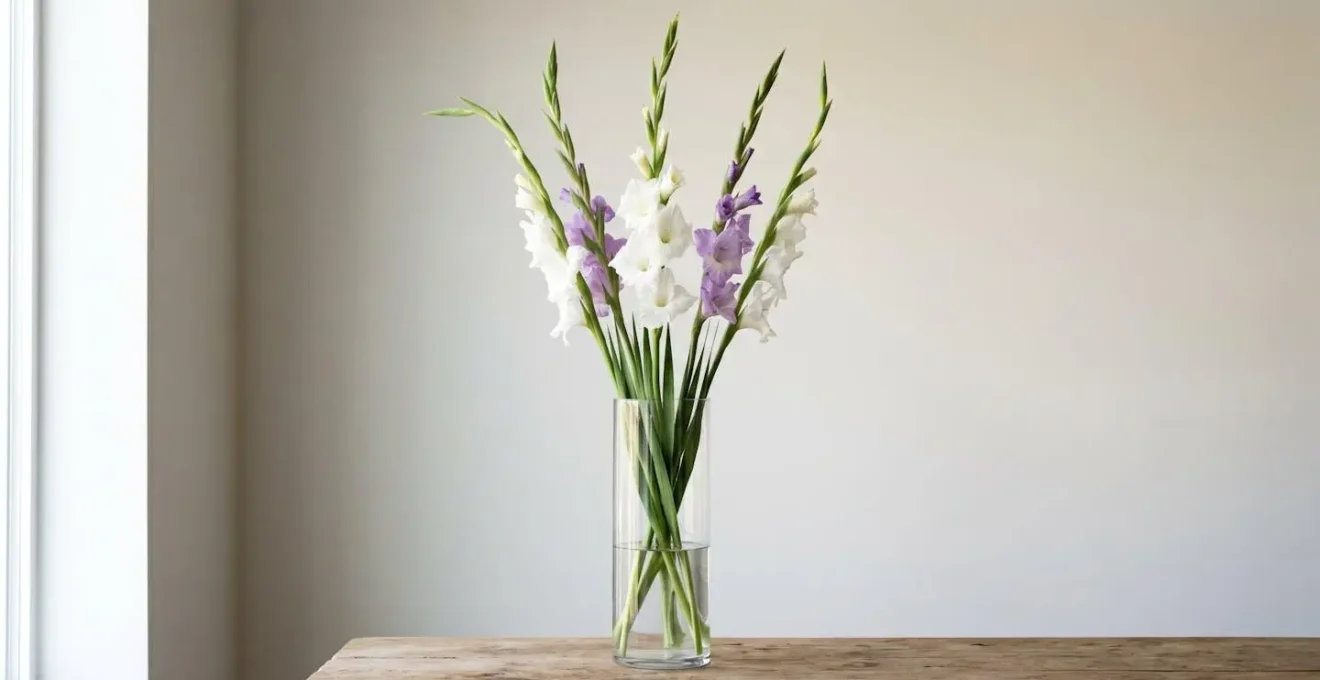
One of the most potent symbolic flowers for mourning is the gladiolus. Its tall, strong stalk and sword-like shape have long represented strength of character, integrity, sincerity, and moral fortitude. Sending gladioli is a way of honoring a person who lived with exceptional resilience or was a pillar of strength for their family or community. A card message might read, “We chose these gladioli to honor the incredible strength and integrity that [Name] always demonstrated.” This explicitly connects the flower to the virtue you are celebrating.
Other flowers carry equally poignant meanings. Orchids, particularly in white or pink, symbolize everlasting love, making them a perfect tribute for a beloved spouse or a person whose love touched many. Forget-me-nots are a literal and beautiful expression of unfading memory. Even herbs like rosemary have been used for centuries to signify remembrance. By carefully selecting a flower that resonates with the deceased’s character or your relationship with them, you offer a tribute that speaks on a more profound level. It shows that you have taken the time to reflect on their life and are sending not just flowers, but a story and a heartfelt sentiment.
Key Takeaways
- Effective sympathy etiquette is about context—considering the relationship, culture, and specific circumstances—not just following generic rules.
- A living plant, like a Peace Lily, can serve as a lasting “living memorial,” offering therapeutic value long after cut flowers have faded.
- Thoughtful personalization, whether through symbolic flower choices or tributes reflecting a hobby, creates the most meaningful and comforting gesture when done with taste and subtlety.
How to Personalize Funeral Flowers to Reflect the Deceased’s Hobbies?
The most touching floral tributes are often those that move beyond traditional forms to reflect the unique personality and passions of the person being honored. Personalizing an arrangement based on the deceased’s hobbies is a beautiful way to tell a story and celebrate a life well-lived. This requires a delicate balance of creativity and taste, aiming for subtle evocation rather than literal representation. The goal is to capture the essence of a passion, not to create a novelty item.
For example, to honor a passionate traveler, a florist could incorporate exotic flowers from a country they loved, like tropical orchids or proteas, to create a sense of journey and adventure. For a dedicated gardener, a natural, “garden-style” arrangement with wildflowers and varied greenery would feel more authentic than a rigid, formal spray. To commemorate a sports fan, you could use their team’s colors in a tasteful way—deep red roses and white lilies, for instance—rather than asking for a floral logo. The key is to translate the spirit of the hobby into the language of flowers.
This approach requires collaboration with a skilled florist who can help execute your vision with elegance. You could honor a book lover by tying a simple bouquet with a ribbon printed with a quote from their favorite author, or pay tribute to a musician by choosing an arrangement whose form echoes their instrument—cascading for a violinist, structured for a pianist. When considering adding non-floral elements, such as a clean paintbrush for an artist or a ball of yarn for a knitter, it is essential to keep them subtle and always to seek the family’s permission first. This level of personalization shows deep care and creates a tribute that truly feels like it was made just for them.
Your 5-Point Etiquette Audit Before Sending Flowers
- Context Check: Have I reviewed the obituary for specific instructions, such as ‘in lieu of flowers’ notices or preferred delivery locations?
- Cultural & Religious Check: Have I confirmed the family’s cultural or religious background to avoid prohibited items (e.g., flowers for a Jewish Shiva)?
- Household Check: Have I discreetly verified if the recipient household includes pets, especially cats, to avoid sending highly toxic plants like lilies?
- Relationship Check: Is the scale and formality of my chosen arrangement (e.g., large standing spray vs. a small potted plant) appropriate for my relationship to the deceased and their family?
- Message Check: Does my card message clearly state any intended symbolism (e.g., ‘gladiolus for strength’) and offer simple, genuine condolences without platitudes?
Armed with this understanding, you can now confidently select a floral tribute that honors a life and provides solace, turning a gesture of sympathy into a meaningful and cherished act of support.