
In summary:
- Transform a static garden by using grasses not just as plants, but as choreographers of light, sound, and movement.
- Select specific grasses for their unique sensory contributions: some for their transparent, layering effect; others for the sound they make in the wind.
- Embrace their four-season interest, as grasses often look most spectacular in the low winter sun, catching frost and light.
- Achieve a dynamic, low-maintenance landscape by choosing non-invasive varieties and pruning only once a year, just as new growth begins.
Your garden is a beautiful composition, but it feels… silent. The shrubs are stoic, the perennials dutifully bloom and fade, but the entire scene lacks a certain breath, a gentle, constant motion that makes a landscape feel truly alive. Many gardeners turn to the usual solutions—adding more color, more flowers—hoping to fill this void. Yet, the garden remains a collection of static objects, a painting rather than a living symphony.
The common advice suggests planting ornamental grasses for “texture and movement,” but this simple phrase barely scratches the surface of their transformative power. What if the key wasn’t merely adding movement, but orchestrating a complete sensory experience? What if you could use grasses as living instruments to conduct the play of light, the whisper of wind, and the perception of time itself? This is the essence of sensory choreography in the garden.
This approach reframes ornamental grasses from simple background fillers to the primary conductors of your garden’s atmosphere. They are the kinetic sculptures that sway and dance, the light catchers that glow in the dawn, and the acoustic texture that provides the landscape’s subtle soundtrack. By understanding their unique roles, you can move beyond a static collection of plants to create a garden that breathes, sways, and engages the senses throughout every season.
This guide will explore how to master this art of sensory choreography. We will delve into how grasses can create stunning winter displays, build layers of depth, provide sound and structure, and ultimately help you build a breathtakingly dynamic garden that demands surprisingly little in return.
Summary: Choreographing a Garden with Ornamental Grasses
- Why Do Grasses Look Better in January Than Most Evergreens?
- How to Use See-Through Grasses to Create Depth Layers?
- Miscanthus or Bamboo: Which Grass Won’t Invade Your Neighbor’s Yard?
- The Pruning Mistake That Leaves Grasses Looking Dead All Spring
- How to Select Grasses That Make the Best Sound in the Wind?
- Hairspray or Sealant: How to Stop Pampas Grass from Shedding?
- Why Do Drought-Tolerant Plants Save You 20 Hours of Watering a Summer?
- How to Build a Perennial Garden That Requires Less Than 2 Hours of Care Monthly?
Why Do Grasses Look Better in January Than Most Evergreens?
When the perennial beds have retreated and the garden is stripped to its bones, most gardeners rely on evergreens for “winter interest.” Yet, these static green forms can often feel heavy and somber under grey skies. This is where ornamental grasses reveal their most profound magic. Instead of merely enduring winter, they actively celebrate its unique light. They become conductors of low-angled sunlight, transforming the stark landscape into a stage for a breathtaking light show.
Unlike dense shrubs, the fine-textured plumes and slender blades of grasses are designed to catch and refract light. In the cold, crisp air of January, their dried seed heads—bleached to shades of silver, gold, and bronze—glow as if lit from within. As expert Neil Lucas notes, this effect is particularly dramatic in certain species:
Many grasses are good at reflecting winter sunlight: none more so that the pennisetums whose flowers seem to be lit up as though connected to the mains, providing a fantastic, free light show!
– Neil Lucas, Richard Jackson’s Garden
Their true advantage over evergreens lies in their dynamism. While a boxwood remains unchanged, a stand of grass captures every nuance of the winter environment. Its plumes hold onto frost, turning them into intricate ice sculptures, and their structure traps delicate veils of snow. This ability to interact with the elements makes them living, breathing components of the winter garden, offering a constantly shifting display of texture and form.
Winter Interest: The Dynamic Structure of Grasses
An analysis by American Meadows showcases how ornamental grasses provide essential structure and height precisely when gardens need it most. Their documentation reveals that the fluffy plumes of Pampas and Ravenna grass, for instance, retain their fullness and form throughout the winter. This provides a dynamic visual texture that static evergreens cannot replicate, creating movement and catching frost and snow to produce a continuous, evolving winter display.
How to Use See-Through Grasses to Create Depth Layers?
One of the most sophisticated design techniques in modern garden choreography is the use of “see-through” or transparent grasses. These are not dense, screening plants but rather varieties with a light, airy, and open habit, such as Molinia caerulea ‘Transparent’ or Deschampsia cespitosa (Tufted Hair Grass). Their magic lies in their ability to act as a translucent veil, creating layers of depth and intrigue that draw the eye deeper into the landscape. You are not looking *at* them, but *through* them.
Instead of creating a solid wall that stops the gaze, these grasses form a soft-focus screen. When planted in the mid-ground of a border, they partially obscure the plants behind them, sparking curiosity and making the garden feel larger and more mysterious. This “veil and reveal” technique adds a cinematic quality to the garden; as you move through the space, views are constantly shifting, with different elements coming into and out of focus through the gauzy curtain of grass plumes.
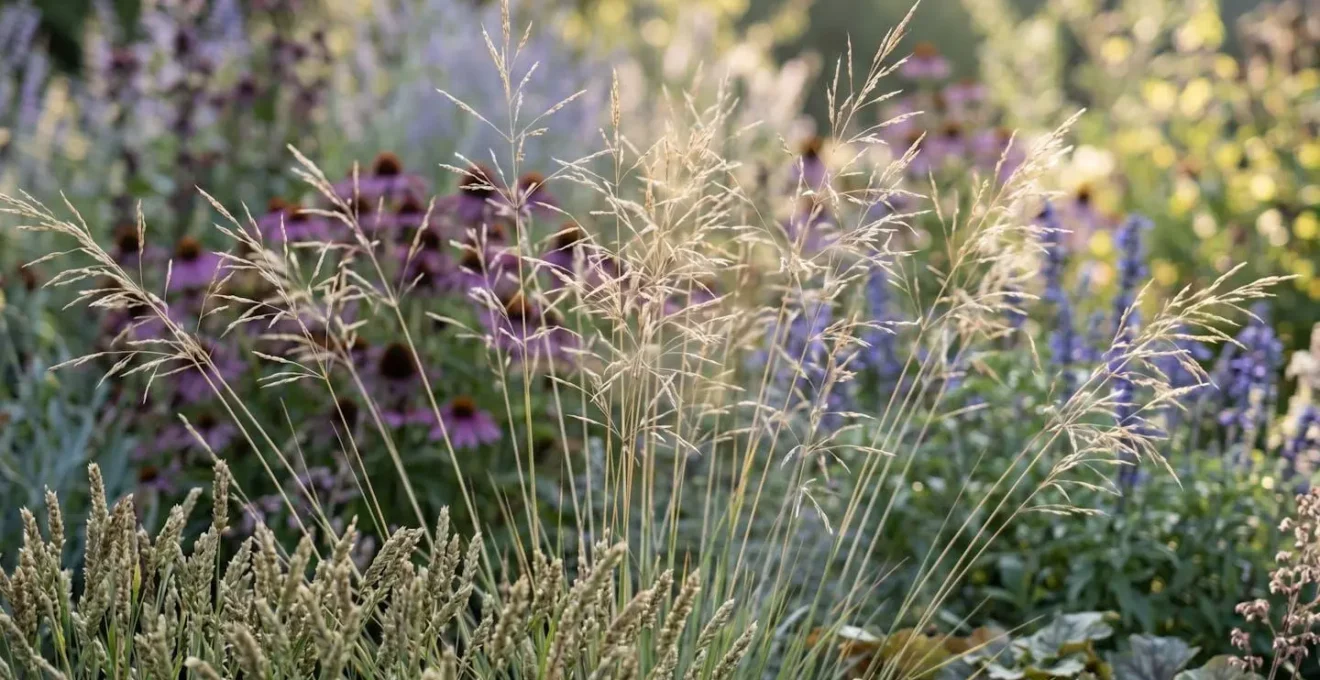
This layering effect is a powerful tool for blurring boundaries. It softens the hard edges of architectural plants or bold perennials in the background, integrating them more fluidly into the overall composition. The fine texture of their flower heads, especially when backlit by the sun, creates a shimmering, ethereal haze that makes the entire scene feel more like a dream than a static arrangement. Using these grasses is less about planting and more about painting with light and perspective, adding a poetic and immersive quality to the garden design.
Miscanthus or Bamboo: Which Grass Won’t Invade Your Neighbor’s Yard?
The dream of a lush, private screen can quickly turn into a neighborhood nightmare with the wrong plant choice. While both Miscanthus and bamboo offer impressive height and rapid growth, their habits beneath the soil are worlds apart. The primary concern is choosing a “clumping” grass over a “running” one. Running bamboo, in particular, is notorious for its aggressive spread, sending out underground rhizomes that can travel far and wide. This invasive nature is no small matter; invasive species data confirms that running bamboo can spread underground by 3 to 5 feet per year, and sometimes much more in ideal conditions, emerging unexpectedly in lawns, patios, and yes, your neighbor’s yard.
In contrast, most ornamental grasses, including the vast majority of Miscanthus cultivars, are clumping. They grow outwards from a central root ball, gradually increasing in diameter but never sending out aggressive, long-distance runners. This makes them a predictable and well-behaved choice for creating privacy screens or structural backbones in a garden bed. You can plant a Miscanthus sinensis ‘Gracillimus’ with the confidence that it will stay right where you put it, gracefully expanding its presence without launching a subterranean invasion.
If the look of bamboo is essential, the solution is to exclusively seek out clumping bamboo varieties, such as those in the Fargesia genus. These offer the iconic cane-like structure and rustling leaves without the invasive risk. Choosing the right plant is the first and most critical step in responsible garden choreography, ensuring your living screen provides beauty and privacy without becoming a costly and stressful problem to contain.
The Pruning Mistake That Leaves Grasses Looking Dead All Spring
The single most common mistake gardeners make with ornamental grasses is pruning them at the wrong time. In a flurry of autumn tidiness, many are tempted to cut back the browning foliage along with their perennials. This is a critical error that not only robs you of winter beauty but can also harm the plant. The correct approach is one of patience, waiting until late winter or early spring. As experts at Nature Hills Nursery explain, the old foliage serves a vital protective purpose:
The best time to cut back ornamental grasses is in late winter to early spring, just before new growth begins. Cutting too early risks exposing young, vulnerable shoots to late frosts. The intact foliage acts as natural insulation, protecting the plant’s crown from winter damage and frost heave while preventing water from reaching and potentially rotting the base.
– Nature Hills Nursery, When to Cut Back Ornamental Grasses
Cutting too late is just as problematic. If you wait until the new season’s green shoots have grown several inches tall, you will inevitably snip their tips when cutting back the old growth. This gives the plant a “chewed” or “crew-cut” look that persists all season, ruining its graceful, arching habit. The key is to find that perfect window of opportunity. The grass itself will tell you when it’s time. Look for the first hint of new green growth emerging from the base of the clump, often described as a “green haze.” This is your signal to act.
Your Action Plan for Perfect Pruning Timing
- Watch the Calendar: Wait until late February or early March, after the harshest frosts in your region have likely passed.
- Look for the Signal: Inspect the base of the plant for the first signs of new green shoots. This “green haze” is your primary cue.
- Act Swiftly: Prune before the new shoots are more than a few inches tall to avoid snipping their tips and creating a blunt, “chewed” appearance.
- Use the Right Tool: For thick-stalked grasses like Miscanthus, use sharp hedge shears for clean cuts. For finer grasses, a stiff rake can often comb out the dead foliage effectively.
How to Select Grasses That Make the Best Sound in the Wind?
A garden that only appeals to the eye is a garden half-experienced. The true art of sensory choreography involves engaging the sense of hearing, and no plant does this better than ornamental grass. The gentle rustle of leaves and the soft shushing of seed heads in a breeze is the garden’s breath, a calming and immersive soundtrack. But not all grasses are created equal in their acoustic properties. The quality and character of the sound they produce is directly related to their physical structure and texture.
For a soft, whispering sound, select grasses with fine, delicate foliage and light, airy seed heads. Think of plants like Nassella tenuissima (Mexican Feather Grass), whose thread-like leaves and plumes move with the slightest air current, creating a constant, soft whisper. Similarly, the large, feathery panicles of Pennisetum (Fountain Grass) produce a gentle ‘swish’ as they sway. These finer grasses are the violins of the garden orchestra.
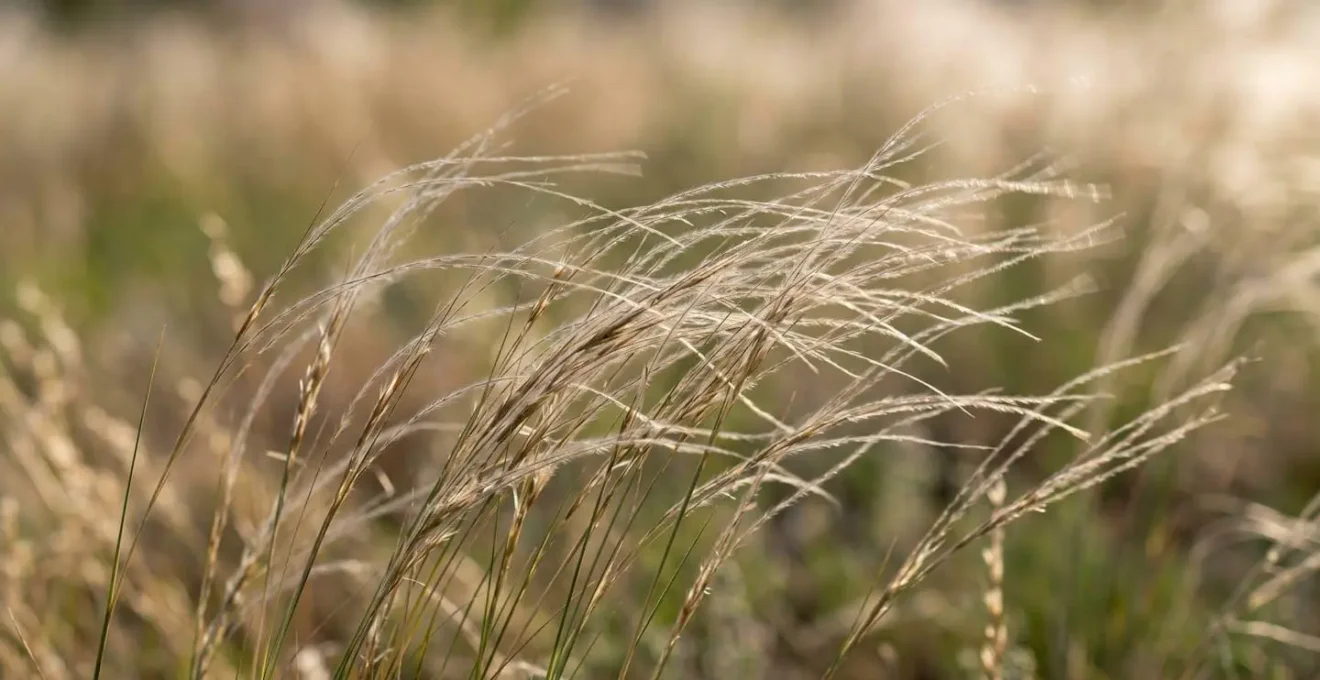
For a more pronounced, rattling, or rustling sound, choose grasses with broader leaves and stiffer, more substantial seed heads. The larger-leaved species of Panicum virgatum (Switchgrass) or the tall, sturdy canes of some Miscanthus varieties will create a louder, more percussive rustle. The dried seed pods of Chasmanthium latifolium (Northern Sea Oats) are particularly noteworthy, creating a distinct rattling sound reminiscent of a rain stick. When selecting grasses for your sensory palette, consider the acoustic texture you wish to create. Do you want a subtle, meditative whisper or a more noticeable, rhythmic rustle to animate your outdoor space?
Hairspray or Sealant: How to Stop Pampas Grass from Shedding?
Bringing the dramatic beauty of ornamental grasses indoors is a wonderful way to extend their seasonal enjoyment. The magnificent, fluffy plumes of Pampas Grass (Cortaderia selloana) are a particular favorite in modern decor. However, their tendency to shed fine, dust-like particles can create a constant mess. Fortunately, this is a solvable problem, and the right method depends on your budget and desired level of permanence.
The most common DIY solution is a light coating of aerosol hairspray. It’s inexpensive, accessible, and works reasonably well to bind the delicate florets together, significantly reducing shedding. Simply take the dried plumes outside on a calm day and give them a light, even misting from about a foot away, rotating the stem to cover all sides. Let them air dry completely before bringing them inside. The main drawback is that hairspray can be slightly sticky and may yellow or discolor the plumes over time.
For a more professional and long-lasting result, a clear floral sealant spray is the superior choice. Available at craft stores, these products are specifically designed to preserve dried botanicals without stickiness or discoloration. While more expensive, a floral sealant provides a durable, invisible finish that effectively locks the plumes and stops shedding for good. The choice between these methods, and others, comes down to a trade-off between cost, convenience, and effectiveness.
The following comparison, based on an analysis of ornamental grass care, breaks down the options:
| Method | Cost | Effectiveness | Pros | Cons |
|---|---|---|---|---|
| Hairspray (aerosol) | $3-8 | Moderate | Inexpensive, readily available | Can be sticky, may discolor plumes over time |
| Floral Sealant Spray | $8-15 | High | Professional finish, long-lasting, designed for dried florals | Higher cost, specialty product |
| Pre-shake Method (no spray) | $0 | Low-Moderate | No cost, natural look, accepts some shedding as aesthetic | Continuous light shedding, requires decorative tray |
| Alternative Grasses (Miscanthus cultivars) | Varies | High | Naturally shed less, similar dramatic effect | Requires growing or sourcing different species |
Why Do Drought-Tolerant Plants Save You 20 Hours of Watering a Summer?
One of the most compelling reasons to build a garden around ornamental grasses is their remarkable self-sufficiency. A garden choreographed with grasses is not just beautiful; it is also resilient and requires significantly less input, especially when it comes to water. Many of the most popular ornamental grasses hail from prairies and other tough environments, meaning they have evolved to thrive with minimal rainfall. This innate drought tolerance translates directly into massive time and resource savings for the gardener.
Once established, a garden composed of drought-tolerant grasses can practically eliminate the need for summer watering. Imagine reclaiming the hours spent dragging hoses and sprinklers across the lawn. The savings are not just anecdotal. According to data from Los Angeles County, planting the right species can result in up to 750 gallons of water saved per month. This not only lowers utility bills but also represents a responsible ecological choice in a world of increasing water scarcity. The 20 hours saved is a conservative estimate for an average garden, representing the time freed from the weekly ritual of deep watering throughout the hot summer months.
The key to unlocking this benefit is proper establishment. It’s a common misconception that drought-tolerant plants need no water from day one. During their first year, they require consistent moisture to develop the deep, extensive root systems that will sustain them later. This initial investment of water pays dividends for years to come. Once their roots have pushed deep into the soil, they can access moisture far below the surface, making them impervious to all but the most severe droughts. Combining this with a 3-inch layer of organic mulch to reduce evaporation virtually creates a self-sustaining system that frees you to simply enjoy the show.
Key takeaways
- Grasses transform gardens by adding four-season sensory experiences: light in winter, layered depth in summer, and sound in the wind.
- Successful low-maintenance design relies on choosing the right plant for the right place, prioritizing non-invasive clumping varieties over aggressive runners.
- The secret to healthy, beautiful grasses is patience: leave them standing for winter interest and protection, then prune only once new green shoots appear in early spring.
How to Build a Perennial Garden That Requires Less Than 2 Hours of Care Monthly?
The vision of a beautiful garden often clashes with the reality of a busy life. The promise of a grass-centric garden is that it can deliver maximum aesthetic impact with minimal human intervention. A landscape built on a matrix of perennial grasses is not a “no-maintenance” garden, but it can easily be a “low-maintenance” one, realistically requiring less than two hours of care per month once established. This is achieved by creating a resilient, self-regulating plant community where the grasses do most of the work for you.
The core principle is to use grasses as the structural backbone, comprising 50-60% of the total plantings. Their dense foliage and robust root systems naturally suppress weeds, drastically reducing the need for one of gardening’s most tedious chores. Furthermore, as we’ve seen, their drought-tolerant nature eliminates the need for frequent watering. As they thrive on lean conditions, they also require little to no fertilizing; in fact, over-fertilizing is a common mistake that leads to weak, floppy growth.
The Four-Season, Low-Maintenance Grass Matrix
A successful design documented by Fine Gardening in Poulsbo, Washington, demonstrates this principle in action. The designer established a border where a diverse matrix of ornamental grasses formed the foundation. These grasses provided year-round structure, color, and texture. Colorful perennials were then interspersed for seasonal highlights. This approach created a self-sufficient community that required minimal irrigation and fertilizer once established, with the dense grass root systems naturally outcompeting weeds.
The annual care for such a garden can be simplified into a “Three-and-Done” system. The first and most significant event is the big cut-back in late winter or early spring. The second is a single, light application of compost at the start of the season. The third is an optional mid-autumn edit to remove anything truly unsightly, while leaving the majority of the structure for winter interest. This simple, elegant system frees you from the cycle of constant gardening chores and allows you to become an observer of your own dynamic, ever-changing landscape.
By embracing ornamental grasses as the choreographers of your garden, you can create a landscape that is not only visually stunning but also rich in sensory detail and remarkably self-sufficient. Start today by identifying a static corner of your garden and imagine how the gentle, elegant movement of a single grass could bring it to life.