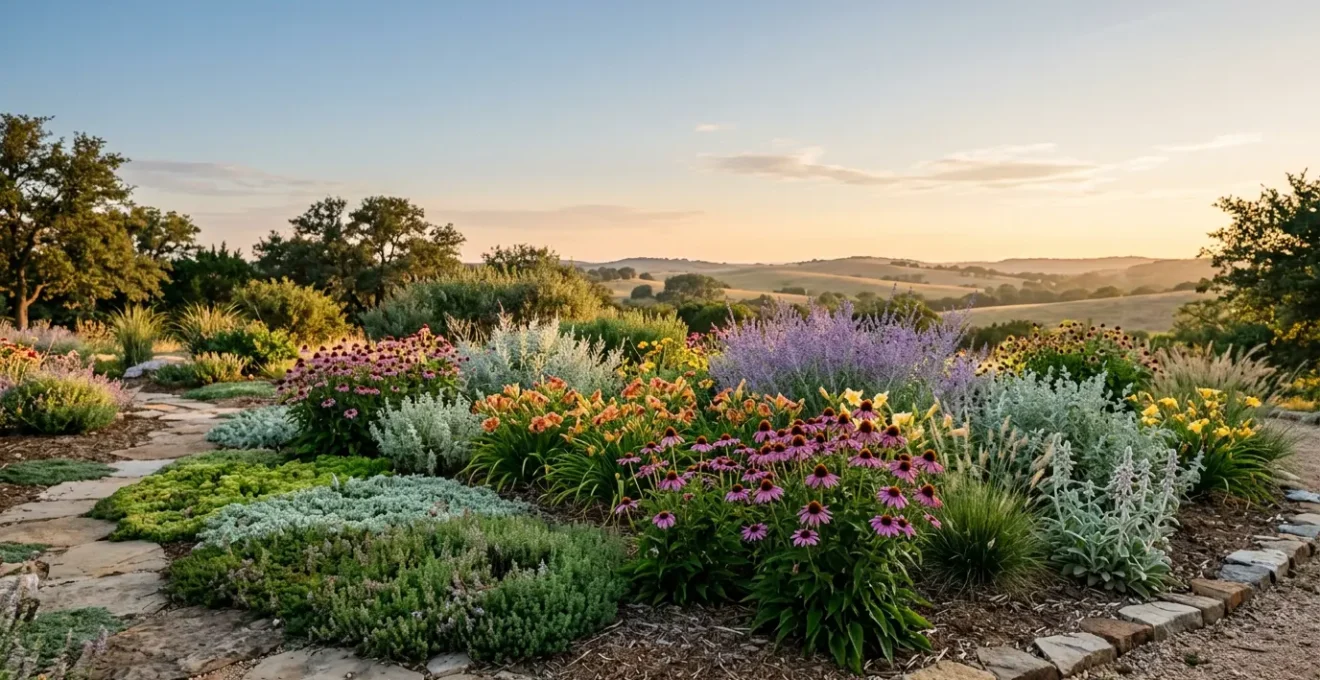
A truly low-maintenance garden isn’t about working harder; it’s about smart design that strategically eliminates entire categories of chores.
- Choose “self-cleaning” plants to make deadheading obsolete and use dense groundcovers as a “living mulch” to stop weeds permanently.
- Build your garden around a permanent framework of “architectural” perennials that thrive for decades without needing to be divided.
Recommendation: Shift your focus from finding “easy plants” to designing a self-regulating plant ecosystem where the garden works for you.
The dream is a lush, vibrant garden, a personal retreat teeming with color and life. The reality for many busy professionals, however, is a weekend spent wrestling with weeds, dragging hoses, and performing an endless series of tasks. The common advice often circles around the same ideas: pick hardy plants, use plenty of mulch, and stay on top of your chores. But this approach only aims to reduce labor, not eliminate it. It still positions the gardener as the constant manager of a system prone to chaos.
What if the entire premise was flawed? What if the secret to a genuinely low-effort garden wasn’t about finding more time for chores, but about designing a landscape where chores become redundant? The key is to move beyond “low-maintenance” and embrace chore-elimination design. This is a strategic approach where every plant and every layout choice is made with the express purpose of creating a self-regulating ecosystem. It’s a garden that polices its own weeds, manages its own spent blooms, and requires minimal intervention once established.
This guide provides a blueprint for that reality. We will deconstruct the core principles of a garden that requires less than two hours of care a month. We’ll explore how to select plants that clean up after themselves, how to create a living carpet that smothers weeds, and how to build a permanent structure that gets better with age, freeing you to simply enjoy the beauty you’ve created.
This article breaks down the essential strategies for creating a truly self-sufficient perennial garden. The following sections provide a step-by-step guide to the design principles and plant choices that will drastically reduce your time spent on maintenance.
Summary: How to Build a Perennial Garden That Requires Less Than 2 Hours of Care Monthly?
- Why Do Drought-Tolerant Plants Save You 20 Hours of Watering a Summer?
- Daylilies vs. Coneflowers: Which Plant Drops Dead Blooms Without Help?
- How to Use Groundcover Perennials to Stop Weeding Forever?
- The Perennial Mistake: Choosing Plants That Need Dividing Every Year
- When to Leave Perennials Standing for Winter Interest Instead of Cutting Back?
- Native or Exotic: Which Is Safer for a Low-Maintenance Garden?
- The Pruning Mistake That Leaves Grasses Looking Dead All Spring
- How to Use Vibrant Annuals to Change Your Garden’s Color Scheme Yearly?
Why Do Drought-Tolerant Plants Save You 20 Hours of Watering a Summer?
The most significant time sink in many gardens is watering. Choosing drought-tolerant plants isn’t just about surviving dry spells; it’s a foundational strategy for chore elimination. These plants are engineered for efficiency, developing extensive root systems that access moisture deep within the soil, far beyond the reach of shallow-rooted species. This adaptation means they are not dependent on frequent, superficial watering from a hose. Once established, they can often thrive on natural rainfall alone, even during warm, dry periods.
The mechanism behind this self-sufficiency is simple but powerful. As the UNL Water Extension’s “Drought Tolerant Plants Guide” explains, “Deep rooted plants take advantage of moisture deeper in the soil profile to avoid drought stress longer. Roots only grow where there is moisture and oxygen available in soil.” By selecting plants that naturally “chase” water downward, you are creating a garden that weans itself off supplemental irrigation. This dramatically reduces time spent watering and conserves a precious resource, aligning with sustainable gardening practices.
The time savings are substantial. Instead of a daily or weekly watering ritual that can consume hours over a summer, you shift to a model of occasional deep watering only during establishment or extreme drought. This frees up dozens of hours, transforming your garden from a source of labor into a truly resilient and low-effort landscape. The key is patience during the first year, providing consistent water to encourage that deep root growth which will pay dividends for years to come.
Daylilies vs. Coneflowers: Which Plant Drops Dead Blooms Without Help?
The tedious task of “deadheading”—pinching or cutting off spent flowers to encourage new blooms and maintain a tidy appearance—is a classic example of a garden chore that can be designed out of existence. The secret lies in selecting “self-cleaning” plants. These are varieties that have been bred or naturally possess the trait of cleanly dropping their old flowers without any human intervention, saving countless hours of meticulous work over a season.
A prime example of a self-cleaning champion is the modern daylily (Hemerocallis). While coneflowers (Echinacea) hold onto their dried seed heads, requiring a deliberate cut to be removed, many daylilies offer a more elegant solution. Their ephemeral blooms last for just a day before withering and falling away cleanly, leaving the plant looking fresh and ready for the next day’s display.
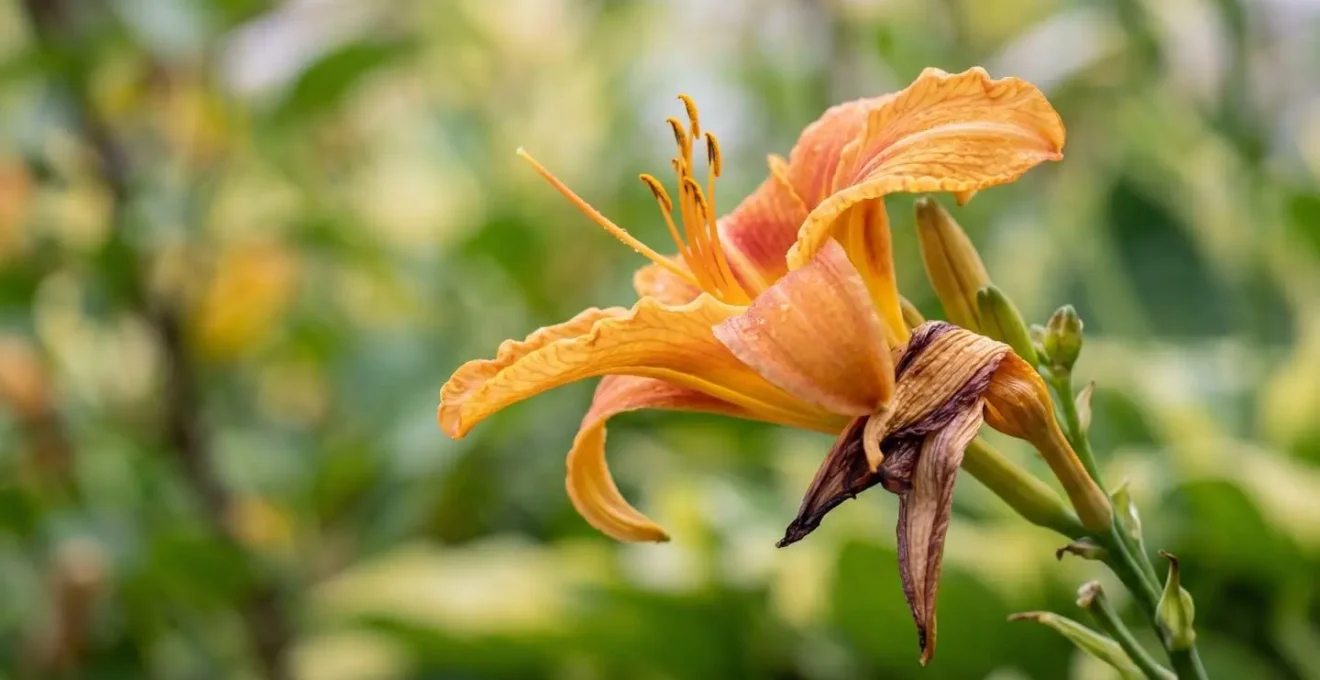
This trait is not accidental; it’s a well-documented feature that distinguishes certain cultivars. Research from the New York Botanical Garden highlights this very characteristic as a key low-maintenance attribute.
Case Study: The Effortless Elegance of Self-Cleaning Daylilies
Research from the New York Botanical Garden demonstrates that many daylily cultivars, particularly smaller-flowered varieties, exhibit superior self-cleaning properties and require significantly less deadheading than other perennials. While some specific reblooming varieties may benefit from deadheading to maximize repeat flowering, a vast number of standard cultivars are designed to naturally drop their spent blooms. This saves gardeners considerable maintenance time throughout the typical 6-week flowering season, making them a cornerstone of chore-elimination design.
By consciously choosing plants like self-cleaning daylilies, you are not just picking a pretty flower; you are hiring a tiny, efficient employee for your garden whose sole job is to keep things looking tidy.
How to Use Groundcover Perennials to Stop Weeding Forever?
Weeding is arguably the most disliked and repetitive garden chore. The traditional solution is to apply a thick layer of mulch each year—an expensive and labor-intensive task. A far more effective and permanent strategy is to employ “living mulch”: a dense carpet of carefully selected groundcover perennials. By covering every square inch of bare soil, you create a physical barrier that prevents weed seeds from ever reaching the light and soil they need to germinate.
This approach is not just about suppression; it’s about out-competing weeds entirely. A dense, layered planting creates a micro-environment where desirable plants thrive and unwelcome invaders cannot gain a foothold. The effectiveness of this strategy is well-supported by horticultural experts. According to the Mississippi State University Extension, “Dense plantings and year-round ground cover provide more weed suppression than even the best herbicide program.” This is a powerful testament to the idea of using plants to do the work for you.
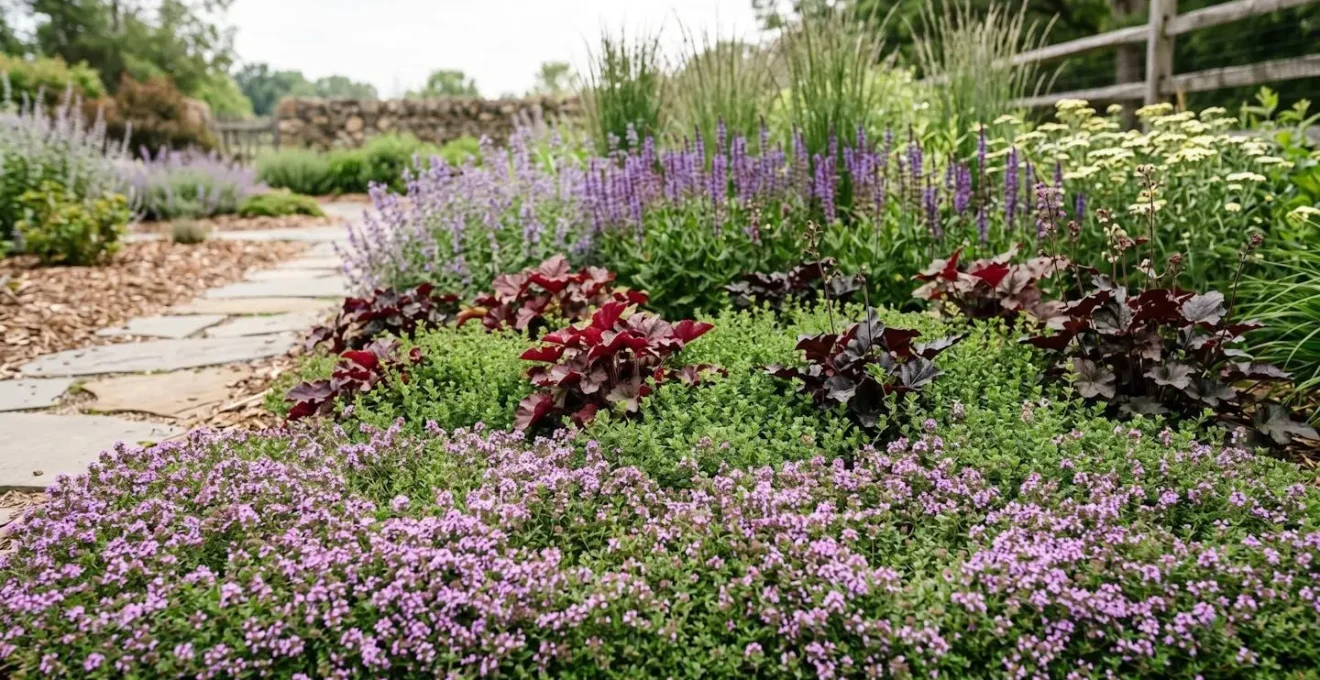
The key to success is thinking in layers. Use low, creeping plants like Creeping Thyme or Ajuga to form a tight mat at the soil level. Then, allow taller perennials like Hostas, Ferns, or Heuchera to emerge through this carpet. This multi-story canopy creates maximum shade on the soil surface, effectively shutting down weed growth. After the initial planting and establishment period, your weeding duties can drop to nearly zero, freeing up your time for the entire life of the garden.
The Perennial Mistake: Choosing Plants That Need Dividing Every Year
A common myth in perennial gardening is that all plants need to be dug up and divided every few years to maintain their vigor. This labor-intensive task can be a significant deterrent for a busy gardener. However, this chore is entirely avoidable. The mistake is not in the act of dividing, but in choosing plants that require it in the first place. A truly low-maintenance garden is built on a foundation of “architectural anchor” plants—perennials that thrive for decades without ever needing division.
These are plants that form stable, well-behaved clumps and resent being disturbed. Peonies are the quintessential example; they can flourish in the same spot for generations. According to Iowa State University Extension research, some peonies can remain undisturbed for 50+ years, becoming more robust and floriferous with each passing year. Other examples include Baptisia (False Indigo) and Butterfly Weed (Asclepias), which develop deep taproots that make them exceptionally resilient and steadfast garden residents.
By making these long-lived perennials the backbone of your design, you create a permanent structure that eliminates the need for disruptive, heavy-lifting chores. You can then fill in around them with other plants that have varying lifespans, but your core garden framework remains untouched. Understanding the division frequency of different plants is crucial for this design strategy.
The following guide, based on an analysis of perennial care requirements, helps illustrate which plants are high-maintenance versus those you can plant and forget.
| Division Frequency | Plant Examples | Maintenance Level |
|---|---|---|
| Every 1-3 Years (High Maintenance) | Yarrow, Astilbe, Beebalm, Coreopsis, Phlox | Regular division required |
| Every 3-5 Years (Moderate) | Daylilies, Hostas, Irises, Ornamental Grasses | Periodic rejuvenation |
| Every 5-10 Years (Low Maintenance) | Hardy Geranium, Ferns, Lungwort | Minimal division needed |
| Rarely or Never (Architectural Anchors) | Peonies (50+ years), Baptisia, Butterfly Weed | Plant once and forget |
When to Leave Perennials Standing for Winter Interest Instead of Cutting Back?
The impulse to “clean up” the garden in the fall by cutting everything back to the ground is another source of unnecessary labor. Resisting this urge is a powerful time-saving strategy. Leaving the structural skeletons of your perennials standing through the winter not only provides crucial habitat and food for wildlife but also creates stunning four-season structure. The dried seed heads of coneflowers and the golden blades of ornamental grasses look magnificent when dusted with frost or snow, adding life to an otherwise dormant landscape.
This approach transforms fall cleanup from a massive, multi-day project into a quick, targeted task in early spring. The only work required in autumn is to remove any diseased foliage. The rest can wait. By delaying the cutback until new growth emerges at the base of the plants in spring, you condense your cleanup efforts into a single, more efficient session. This also protects the plant’s crown from harsh winter conditions.
The key is to select plants with sturdy stems and persistent seed heads that won’t collapse into a mushy mess after the first storm. These “winter structure all-stars” are essential for a garden that looks good year-round with minimal effort. Good candidates include:
- Purple Coneflowers (Echinacea): Their sturdy 3-4 foot stems and textured seed heads withstand wind and weather, providing food for goldfinches.
- Ornamental Grasses (Miscanthus, Panicum): Their graceful, arching forms create beautiful movement and capture light and snow.
- Sedum ‘Autumn Joy’: The thick stems and large flower heads dry to a lovely russet color and maintain their form through the harshest weather.
- Black-eyed Susans (Rudbeckia): These self-seeding perennials have persistent, dark seed heads that attract birds and add vertical interest.
Your 5-Step Audit: Assessing Perennials for Winter Structure
- Identify Candidates: Walk through your garden and list all perennials that have strong, upright stems or interesting seed heads after they finish blooming.
- Assess Structure: Gently push on the stems. Do they feel sturdy enough to withstand wind and snow, or are they flimsy and likely to collapse?
- Evaluate Wildlife Value: Examine the seed heads. Are they the type that birds like finches and sparrows would feed on during the winter?
- Consider Aesthetics: Visualize how the plant’s silhouette, texture, and color will look when coated in frost or outlined against snow. Does it add beauty or just look messy?
- Create a Cleanup Plan: Based on your audit, decide which plants will be left standing until spring and which (if any) should be cut back in the fall due to disease or poor structure.
Native or Exotic: Which Is Safer for a Low-Maintenance Garden?
The debate between using native plants versus exotic (non-native) ones is often a point of confusion for gardeners. For a low-maintenance, chore-elimination design, the answer is clear but nuanced: prioritize native plants. As a general rule, plants that are native to your region are better adapted to the local climate, soil conditions, and rainfall patterns. This innate adaptation makes them more resilient and self-sufficient, directly reducing the need for soil amendments, fertilizer, and supplemental watering.
As the UNL Water Extension service notes, “While this is not always true, native plants are often more adapted to or tolerant of local growing conditions and this can help with water conservation.” They have evolved over millennia to thrive in your specific environment, co-evolving with local pollinators and wildlife. This creates a healthier, more balanced ecosystem that requires less human intervention to sustain. Choosing native species means you are working with nature, not against it.
This doesn’t mean you must have a 100% native garden. Well-behaved, non-invasive exotic plants can add unique colors, forms, and textures. However, the structural foundation of a truly low-effort garden should be predominantly native. A practical guideline is to aim for a high ratio of native species to build a resilient, self-sustaining framework. To this end, many landscape design experts recommend a ratio of 70-80% native plants to ensure the garden’s core is robust and adapted to the local environment. This balance provides ecological benefits and drastically cuts down on maintenance, while still leaving room for a few favorite exotics.
The Pruning Mistake That Leaves Grasses Looking Dead All Spring
Ornamental grasses are a cornerstone of low-maintenance design, providing texture, movement, and four-season interest. However, a common pruning error can make them look dead and unsightly for months. The mistake is cutting them back too early in the fall or winter. While it may seem tidy at the time, this premature haircut can damage the plant and ruin its spring appearance, especially for warm-season grasses.
Grasses are broadly divided into two types: cool-season and warm-season. Cool-season grasses (like Fescue or Calamagrostis) start growing in cool weather and may not need cutting at all. Warm-season grasses (like Miscanthus, Panicum, and Pennisetum) are the ones most often pruned incorrectly. Cutting them back in the fall exposes their crowns to winter moisture, which can lead to rot and a delayed or weakened return in the spring. You are left with brown, stubby tufts for weeks while you wait for new growth to appear.
The correct, time-saving approach is to leave them standing for winter interest and cut them back in early spring, just as new green shoots begin to emerge from the base. This ensures you are not cutting into any new growth and allows the old foliage to protect the plant’s crown all winter.
Case Study: The ‘Gloved-Hand Combing’ Technique for Grasses
To avoid the dead “stub” look, University of Minnesota Extension research clarifies the proper pruning timing for different grass types. For warm-season grasses like Miscanthus and Panicum, wait until early spring to cut them back to a few inches from the ground. For evergreen or cool-season grasses, an even lower-effort technique is recommended: the “gloved-hand combing” method. Instead of cutting, simply put on a pair of garden gloves and run your fingers up through the clump to gently pull out the dead, brown blades. This removes the unsightly dead foliage while preserving all the living green blades, resulting in an instantly refreshed plant with no risk of pruning damage.
Key Takeaways
- The most effective low-maintenance strategy is “chore-elimination design,” which focuses on building a self-regulating garden ecosystem.
- Prioritize “architectural anchor” plants like Peonies or Baptisia that provide permanent structure and never need dividing.
- Use a dense layer of groundcover perennials as a “living mulch” to permanently suppress weeds, eliminating the need for annual mulching.
How to Use Vibrant Annuals to Change Your Garden’s Color Scheme Yearly?
After establishing a strong, permanent framework of low-maintenance perennials and shrubs, you might crave a little more creative flexibility. This is where annuals come in—not as a high-maintenance chore, but as a low-effort tool for injecting new color and personality into your garden each year. The secret is to use self-sowing annuals. These are plants that, once introduced, will gently seed themselves around your garden, filling in gaps and providing spontaneous bursts of color with virtually no work on your part.
Unlike traditional bedding annuals that must be purchased and planted every spring, self-sowers perpetuate themselves. Plants like Spider Flower (Cleome), Verbena bonariensis, Love-in-a-Mist (Nigella), and California Poppies create a dynamic, ever-changing tapestry of color woven through your permanent perennial plantings. Their placement is determined by nature, resulting in a charmingly informal and natural cottage-garden aesthetic.
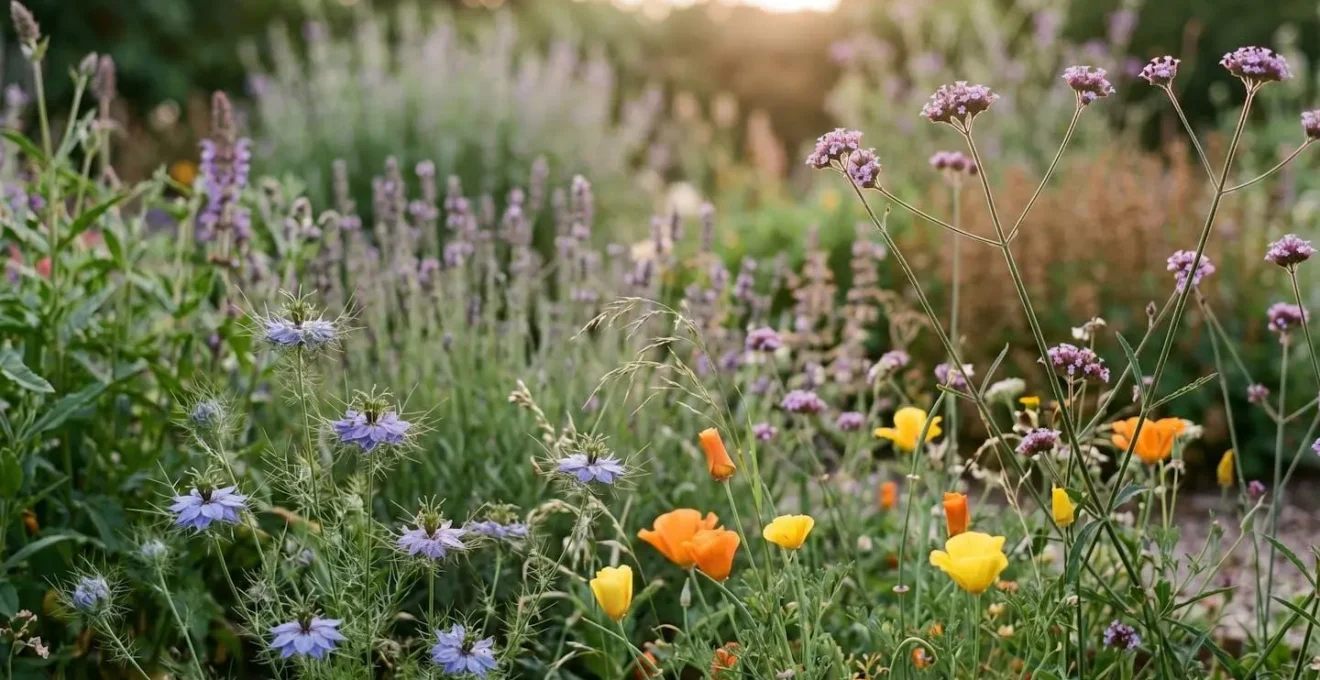
Managing them is effortless. If they pop up in a spot you don’t like, they are easily pulled out. If you want fewer next year, simply deadhead them before they set seed. If you want more, let them go to seed and let nature do the planting for you. This allows you to edit your garden’s color scheme year to year with minimal effort. One year you might let the blue Nigella dominate; the next, you might encourage the orange California Poppies. This provides the novelty of annuals without the annual labor, perfectly complementing the permanent, chore-free foundation of your perennial garden.
Now that you have the blueprint for a chore-free landscape, the next step is to begin. Start by selecting one or two “architectural anchor” plants for your garden’s foundation and build your beautiful, self-regulating ecosystem from there.