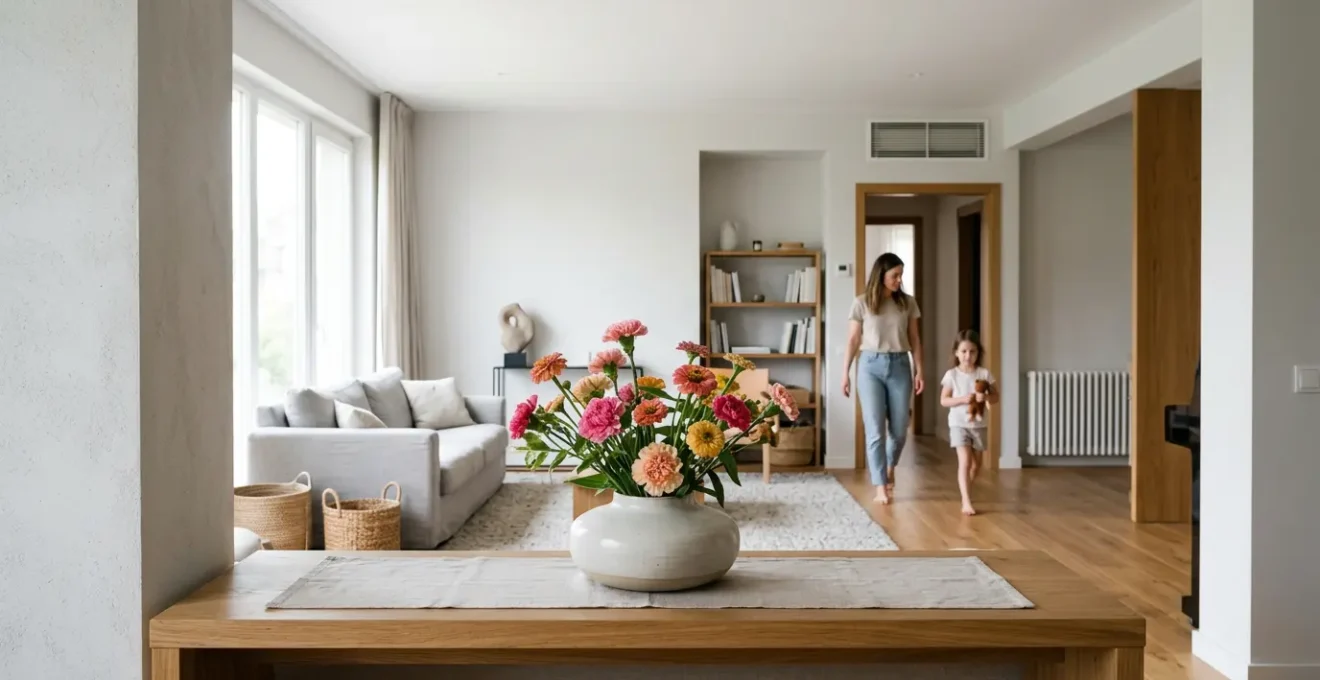
The secret to enjoying fresh flowers in a busy home isn’t hiding them; it’s designing a system where beauty and safety coexist.
- Prioritize “engineered stability” by choosing vases with a low center of gravity and shatter-resistant materials like acrylic or heavy ceramic.
- Select structurally resilient flowers (like carnations or zinnias) that can withstand drafts and temperature fluctuations from daily life.
Recommendation: Instead of placing a single, vulnerable vase on the coffee table, create a “botanical zone” on a console or side table, using a decorative tray to contain the arrangement and protect surfaces.
The scene is a familiar one for any family: a beautifully arranged vase of fresh flowers sits on a table, a vibrant splash of life in the living room. Then, a child runs past, a pet’s tail wags with enthusiasm, and a collective sharp intake of breath follows. The dream of a stylish, nature-filled home often feels at odds with the reality of a high-traffic, chaotic family space. For too long, the advice has been simply to place flowers on a high, out-of-reach shelf, effectively removing them from sight and enjoyment.
But what if the solution wasn’t avoidance, but integration? The key to successfully styling flowers in a home bustling with kids and pets is not to banish them, but to make deliberate, system-based choices. This approach moves beyond generic tips and focuses on creating beautiful botanical ‘safe zones’ that can thrive amidst the joyful chaos. It’s about understanding the fundamentals—from the resilience of the bloom itself to the physics of the vase holding it.
This guide will walk you through this realistic, safe, and stylish method. We will explore how to select the right flowers that can withstand environmental stress, choose vessels that prioritize stability over fragility, and master placement strategies that protect both your flowers and your furniture. By the end, you will see that a home filled with both family and flowers isn’t just possible; it’s a beautiful reality waiting to be styled.
To help you navigate these practical strategies, this article breaks down the essential considerations for creating family-proof floral displays. The following sections will guide you from selecting the right components to arranging them with confidence in your busy home.
Summary: How to Style Fresh Flowers in Living Areas That Are High-Traffic?
- Why Is the Coffee Table Often the Worst Place for a Vase?
- How to Select Flowers That Withstand Drafts and AC Units?
- Ceramic or Acrylic: Which Vessel Is Safest for a Family Living Room?
- The Coaster Mistake That Ruins Antique Wooden Tables Forever
- When to Refresh Water to Prevent Odors in Shared Spaces?
- Why Does Having Nature Indoors Reduce Anxiety Levels Rapidly?
- Real or Faux: Which Works Better in a High-Gloss Modern Kitchen?
- How to Accessorize a Minimalist Living Room Using Only Botanicals?
Why Is the Coffee Table Often the Worst Place for a Vase?
The coffee table feels like the natural heart of the living room, making it the default spot for a floral centerpiece. However, in a high-traffic home, it’s a zone of constant activity. It’s a battlefield of remote controls, coloring books, propped-up feet, and the occasional-spilled drink. Placing a tall, delicate vase in the center of this chaos is an invitation for disaster. The risk of it being knocked over by an errant toy or a happy pet is simply too high. Furthermore, a large arrangement can obstruct views of the television and, more importantly, create a barrier to conversation with people sitting opposite.
The goal isn’t to leave the coffee table bare, but to style it intelligently. The concept of “contained beauty” is your best ally here. Instead of a single, towering vase, opt for a low-profile bowl or a cluster of smaller bud vases arranged on a decorative tray. A tray acts as a visual anchor and a practical boundary, making the entire display easy to move when the surface is needed for other activities. This strategy respects the table’s function while still adding a touch of natural elegance.
As design experts at Floral Matters advise, the key is balancing aesthetics with function:
keep centerpieces low enough for conversation—or go tall and airy to add drama without blocking the view
– Floral Matters, Tips for Arranging Flowers Like a Pro: Floral Design Mistakes to Avoid
This advice highlights the need for intentionality. For a family home, a low, contained arrangement is almost always the safer and more practical choice, reserving “tall and airy” for less central locations like a console table against a wall.
How to Select Flowers That Withstand Drafts and AC Units?
In a busy home, flowers face more than just the risk of being knocked over. They must contend with a challenging micro-environment. Doors opening and closing create drafts, and air conditioning or heating units cause constant temperature fluctuations. Delicate blooms like poppies or sweet peas will wilt and drop their petals almost immediately under these conditions. A resilience-first selection process is therefore crucial. This means choosing flowers based not only on their color and shape but on their structural integrity and tolerance for environmental stress.
Look for flowers with waxy petals and sturdy stems. Carnations, zinnias, chrysanthemums, and alstroemeria are excellent choices. Their robust structure helps them retain moisture and resist the wilting effects of drafts. Their cellular makeup is simply better equipped to handle the less-than-ideal conditions of a living space. While many flowers prefer consistency, horticultural experts note that cold tolerant houseplants generally cope well with daytime temperatures around 50–70°F (10–21°C), a range that many air-conditioned homes fall into. Flowers with similar hardiness are more likely to thrive.
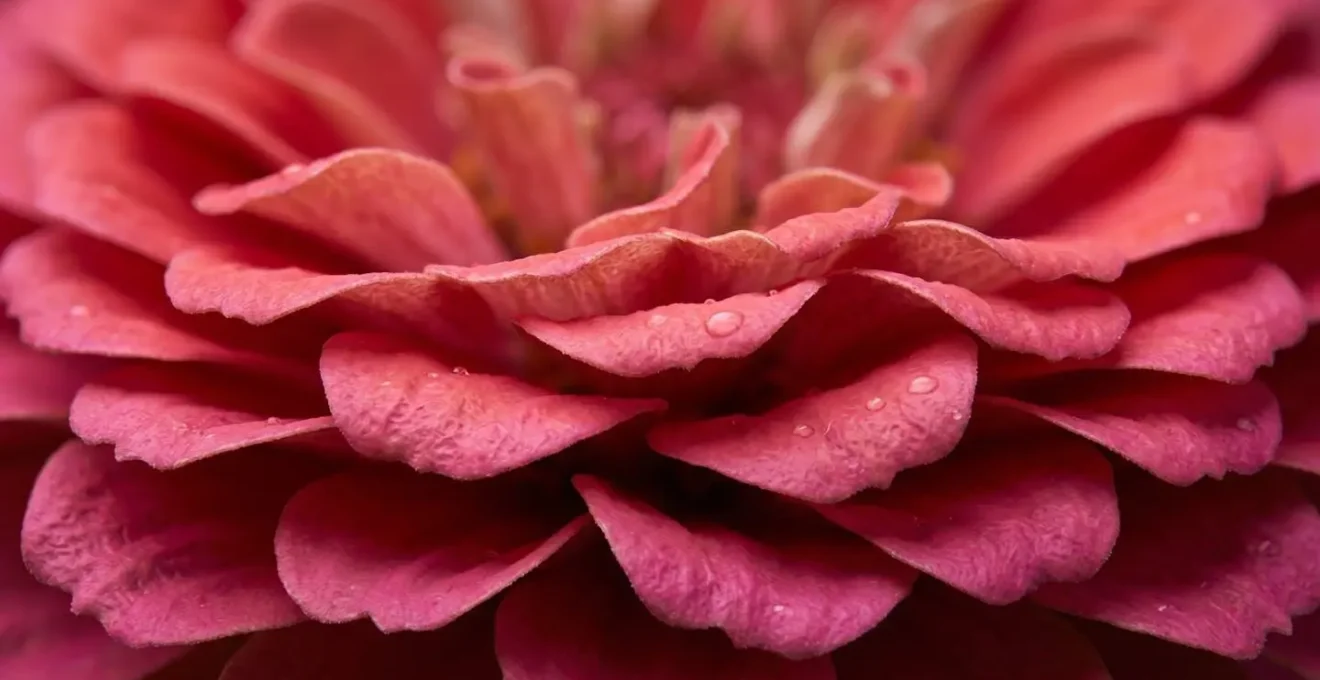
The waxy texture you can see on these petals isn’t just for show; it’s a natural defense mechanism that locks in hydration. When you’re at the florist, feel the flowers. A bloom that feels firm and almost leathery to the touch will almost always outlast one that is soft and papery. Choosing these workhorse flowers means your arrangement will look fresh and vibrant for longer, saving you time and money while ensuring your home remains beautiful.
Ceramic or Acrylic: Which Vessel Is Safest for a Family Living Room?
The vase is the foundation of your floral arrangement, and in a home with children or pets, its material is a critical safety decision. The classic elegance of a glass vase is undeniable, but it’s also the highest-risk option. When broken, it shatters into sharp, dangerous fragments. The focus must shift to materials that offer “engineered stability” and minimize harm if an accident does occur. The two best contenders for a family-friendly living room are ceramic and acrylic.
Ceramic vases, especially those with a wide, heavy base, offer excellent stability. Their weight gives them a low center of gravity, making them difficult to tip over. If a ceramic vase does break, it typically cracks into larger, duller pieces that are less hazardous than glass shards. However, it’s important to ensure any glazed ceramic is certified lead-free. Acrylic, on the other hand, is the champion of safety. It’s lightweight, virtually shatterproof, and non-toxic. While its lighter weight can make it less stable, choosing an acrylic vase with a wide footprint can easily compensate for this.
This comparative analysis, based on a deep dive into material properties, shows how different vessels stack up against key safety criteria. As this breakdown of vase materials illustrates, choices extend beyond simple aesthetics.
| Criteria | Ceramic | Acrylic | Metal | Glass |
|---|---|---|---|---|
| Weight/Stability | Heavy, excellent stability with wide base | Lightweight, requires wide base for stability | Medium to heavy, very stable | Medium weight, moderate stability |
| Shatter Risk | Breaks into large pieces, moderate risk | Nearly shatterproof, safest | No shatter risk | High shatter risk, sharp fragments |
| Child/Pet Safety | Check for lead-free glazes, safe when certified | Non-toxic, very safe | Safe, but can dent/sharp edges | Most dangerous when broken |
| Ease of Cleaning | Moderate, porous if unglazed | Easy, wipe clean | Easy, rust concerns with some | Very easy, shows fingerprints |
| Aesthetic Appeal | High, artisan finishes available | Modern, clean lines | Contemporary, industrial look | Elegant, transparent |
Ultimately, the choice between ceramic and acrylic depends on your priorities. If you value maximum stability and an artisanal look, a heavy-bottomed ceramic vase is an excellent choice. If your primary concern is eliminating shatter risk entirely, acrylic is the undisputed winner. Regardless of material, performing a quick stability check before buying is always a smart move.
Your Action Plan: The Wobble Test for Vase Stability Selection
- Measure the Ratio: Compare the vase’s base diameter to its height. The ideal ratio for stability is a base that is at least 1/3 of the total height.
- Perform the Push Test: Place the empty vase on a flat, hard surface. Gently push it from the top edge to test its resistance to tipping. A stable vase won’t rock easily.
- Check the Center of Gravity: Look for a wide, heavy base. This design creates a low center of gravity, making the vase much harder to knock over.
- Consider the Weight: Lift the vase. A heavier vessel is inherently more stable. For tall vases, this weight is non-negotiable in a home with pets or children.
- Plan for Placement: Even with a stable vase, avoid placing it on the very edge of a surface or on wobbly tables. Secure placement is the final step in the safety equation.
The Coaster Mistake That Ruins Antique Wooden Tables Forever
While a tipped vase is the most dramatic threat to a home, a more insidious danger lurks beneath: condensation. A vase filled with cool water, especially in a warm room, will “sweat,” forming a layer of moisture on its exterior. When placed directly on a wooden surface, this moisture seeps into the finish, creating those dreaded white rings that can permanently damage antique or fine furniture. Many people are diligent about using coasters for drinking glasses but forget that a flower vase poses the exact same risk.
This oversight is a costly mistake. The damage is often not discovered until the flowers are removed, by which point the finish is already compromised. Repairing a water-damaged wood finish is a complex and expensive process that often requires professional restoration. The simplest solution is prevention. Never place a vase directly on a vulnerable wooden surface. Use a protective barrier every single time.
This could be a stylish coaster made of cork, stone, or ceramic, but for larger arrangements, a decorative tray is an even better solution. As noted by woodworking experts, this is a universal principle of furniture care.
The flower vase and bottles of chilled wines also need to be protected in the same way and for the same reason. Each can bring moisture to the table’s surface that will lead to water rings and stains.
– Obsessed Woodworking, 5 Easy Ways To Protect A Wood Table From Heat Marks
A tray not only protects the table from water damage but also contains any potential spills from overfilling the vase or from an accidental bump. It groups the floral display into a single, cohesive unit, elevating the look from a simple vase on a table to an intentional design moment. This small habit is the single most effective way to ensure your love of fresh flowers doesn’t come at the expense of your treasured furniture.
When to Refresh Water to Prevent Odors in Shared Spaces?
You’ve chosen a sturdy vase and resilient flowers, and you’ve protected your furniture. But there’s one more element that can quickly turn a beautiful arrangement into an unpleasant experience: the water. As flowers sit in a vase, bacteria begin to multiply rapidly in the water. This bacterial growth not only clogs the flower stems, preventing them from absorbing water and shortening their life, but it also creates a foul, swampy odor that can permeate a shared living space.
In a high-traffic area like a living room, where family members gather and relax, a bad smell is more than just a nuisance; it undermines the entire purpose of having flowers, which is to bring freshness and joy into the home. The solution is simple but requires consistency: the water must be refreshed regularly. While daily changes are ideal, interior design experts recommend changing flower water at least every two days to prevent bacterial buildup and odors. This simple act can nearly double the lifespan of your cut flowers.
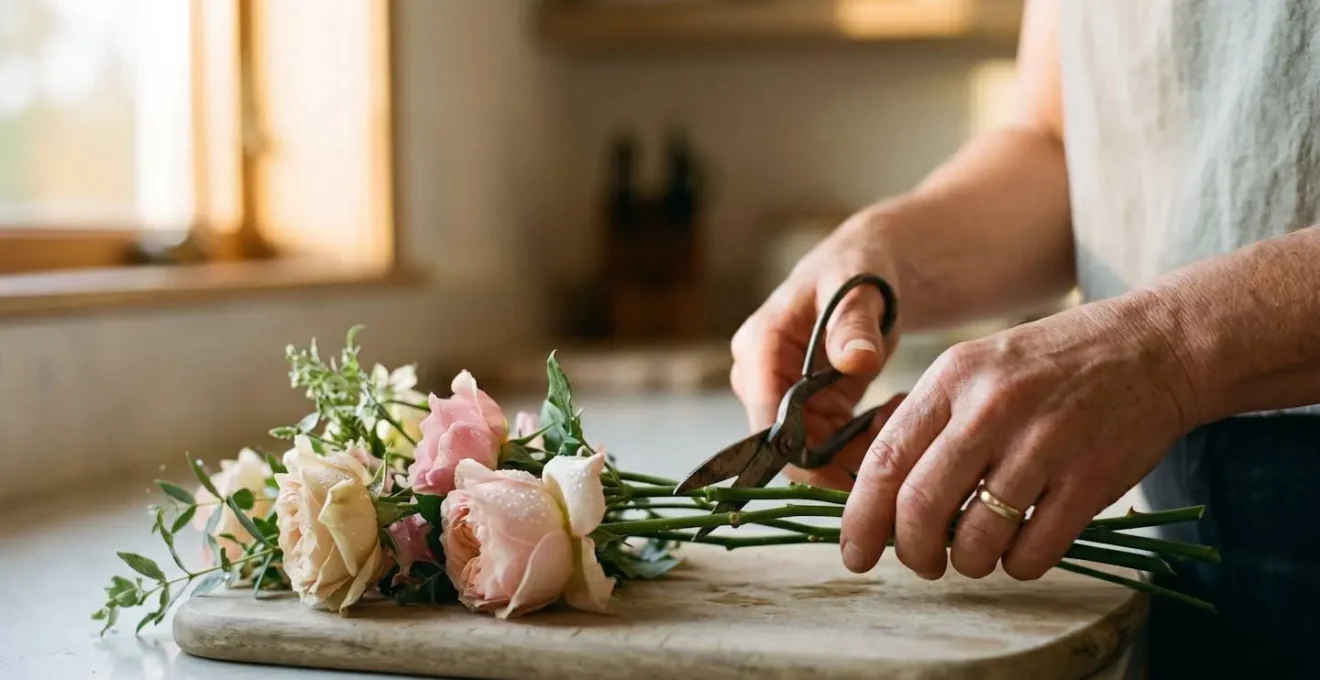
The process takes only a few minutes. Carefully remove the flowers from the vase, holding them over a sink. Empty the old, cloudy water and rinse the vase thoroughly with soap and water to remove any bacterial film. Refill it with fresh, cool water. Before placing the flowers back in, give each stem a fresh, diagonal cut with sharp scissors or a knife. This re-opens the vascular channels, allowing for maximum water uptake. Adding a packet of flower food to the new water provides essential nutrients and contains a biocide to slow bacterial growth, further extending freshness and preventing odors. This routine transforms flower care from a chore into a moment of sensory mindfulness.
Why Does Having Nature Indoors Reduce Anxiety Levels Rapidly?
Beyond the visual appeal, bringing fresh flowers into your home has a profound and scientifically supported impact on your mental well-being. This connection, often referred to as biophilia, is the innate human tendency to seek connections with nature. In our modern, screen-filled lives, even a small dose of nature indoors can act as a powerful antidote to stress and anxiety. The simple presence of living plants and flowers can lower blood pressure, reduce cortisol levels (the stress hormone), and improve overall mood.
The act of caring for flowers itself becomes a form of mindfulness. It’s a gentle, repetitive ritual that anchors you in the present moment.
Arranging flowers is described as a creative activity that encourages mindfulness. Taking the time to choose flowers, trim the stems, and arrange them thoughtfully allows connection with nature and an opportunity to slow down in our fast-paced world. The routine brings a sense of calm and grounding by bringing a piece of the outdoors indoors.
– Sarah Grace at Home, Why Every Home Needs Fresh Flowers
This daily or every-other-day task of changing the water and trimming the stems pulls your focus away from digital distractions and work pressures. It engages your senses—the feel of the cool water, the scent of the blooms, the sight of their vibrant colors. This sensory engagement is a grounding practice that helps quiet a racing mind and fosters a sense of peace and accomplishment.
For families, this effect is multiplied. Children learn about the life cycle and the responsibility of caring for another living thing. The shared experience of enjoying the flowers can become a positive focal point in the home. In a world that often feels chaotic, flowers are, as floral designer Lewis Miller says, “harbingers of joy.” They are a living, breathing reminder of beauty, growth, and the simple, quiet pleasures of the natural world.
Real or Faux: Which Works Better in a High-Gloss Modern Kitchen?
The kitchen presents a unique set of challenges for floral decor. It’s arguably the highest-traffic room in the house, subject to heat from cooking, steam, and airborne grease particles. On high-gloss modern surfaces, like lacquered cabinets or polished stone countertops, every speck of dust and pollen becomes highly visible. This is where the debate between real and faux flowers becomes particularly relevant. While nothing can truly replace the life and scent of real blooms, faux flowers have evolved dramatically and offer a practical solution for this demanding environment.
Real flowers can drop pollen and petals, which is a hygiene concern near food preparation areas. They also require constant water changes, which can be another chore in an already busy room. High-quality faux flowers, on the other hand, eliminate these issues. They are permanent, require only occasional dusting, and won’t wilt from the heat of the oven. However, they can sometimes look static and accumulate a greasy film over time that is difficult to clean. Furthermore, they lack the dynamic beauty that a vase of water brings—the way it catches the light and creates beautiful, shifting reflections on glossy surfaces.
For the modern kitchen, a hybrid approach often works best, leveraging the strengths of both real and faux elements to create a look that is both beautiful and practical.
Case Study: The Hybrid Fresh-Faux Strategy for Kitchen Environments
A practical strategy recommended by design professionals for high-traffic areas like kitchens is to blend high-quality synthetic flowers with live greenery. This involves using a durable base of realistic faux elements—such as artificial orchids or succulents—and combining them with a few rotating stems of fresh, hardy greenery like eucalyptus or monstera leaves in a simple vase of water. This approach, detailed in guides on room decoration, addresses hygiene concerns (less pollen near food) while maintaining the living reflections and organic feel that only real elements in water can provide against high-gloss surfaces.
This strategy offers the best of both worlds: the low-maintenance longevity of faux flowers and the vibrant, living energy of real botanicals. It allows you to have a constant touch of green in your kitchen without the full commitment and potential mess of a large, fresh-only arrangement.
Key takeaways
- Zone Your Botanicals: Don’t default to the coffee table. Identify safer, lower-traffic “botanical zones” like console tables, mantels, or sideboards.
- Prioritize Stability and Resilience: Choose heavy-bottomed, shatter-resistant vases (ceramic, acrylic) and sturdy flowers (carnations, zinnias) that can withstand a busy environment.
- Contain and Protect: Always use a tray or coaster under a vase to protect furniture from condensation and contain potential spills. This elevates the look and provides peace of mind.
How to Accessorize a Minimalist Living Room Using Only Botanicals?
In a minimalist space, every object must have a purpose and a presence. Less is not just less; less is more impactful. Accessorizing a minimalist living room with botanicals is not about filling empty spaces with clutter, but about using the architectural quality of plants and flowers to define and enhance the space. The key is to treat each botanical element as a piece of living sculpture. Instead of a dense, colorful bouquet, think in terms of line, form, and negative space.
A single, dramatic stem can have more power than a dozen roses. A tall, twisted willow branch in a simple floor vase, a single, elegant calla lily on a console table, or a sculptural monstera leaf can create a powerful focal point. This approach is about “botanical zoning,” a principle that uses a few carefully chosen elements at different heights to create a sense of rhythm and flow throughout the room without overwhelming it.
To implement this, follow the minimalist “Rule of Three,” applied to botanicals:
- The Tall Floor Element: Place a single large branch or a tall, sculptural stem (like forsythia or curly willow) in a simple floor vase. Position it in a corner or beside a piece of seating to add verticality and draw the eye upward.
- The Mid-Level Piece: On a console table, bookshelf, or mantel, place a single striking bloom at eye level. An orchid plant or a single perfect stem in a bud vase works beautifully here.
- The Low Accent: Finally, add a low-profile botanical element on a side table or coffee table. This could be a small bowl of moss, a low-growing succulent arrangement, or a single gardenia bloom floating in a shallow dish of water.
The power of this technique lies in the space between the elements. The emptiness becomes part of the design, creating a calm, uncluttered atmosphere where each botanical piece can be fully appreciated.
A single, dramatic stem doesn’t just fill space; it defines the emptiness around it, turning the void itself into a powerful, calming design element
– Interior Design Expert, The Art of Decorating with Flowers
This philosophy transforms accessorizing from an act of addition to an act of curation. By choosing botanicals for their form and presence, you can create a minimalist space that feels alive, intentional, and deeply serene.
Now that you have the tools to choose the right flowers, the safest vases, and the smartest locations, the next step is to begin. Start small with a single, well-placed “botanical zone” and experience the positive shift in your home’s atmosphere. Begin transforming your living space into a beautiful, family-proof sanctuary today.