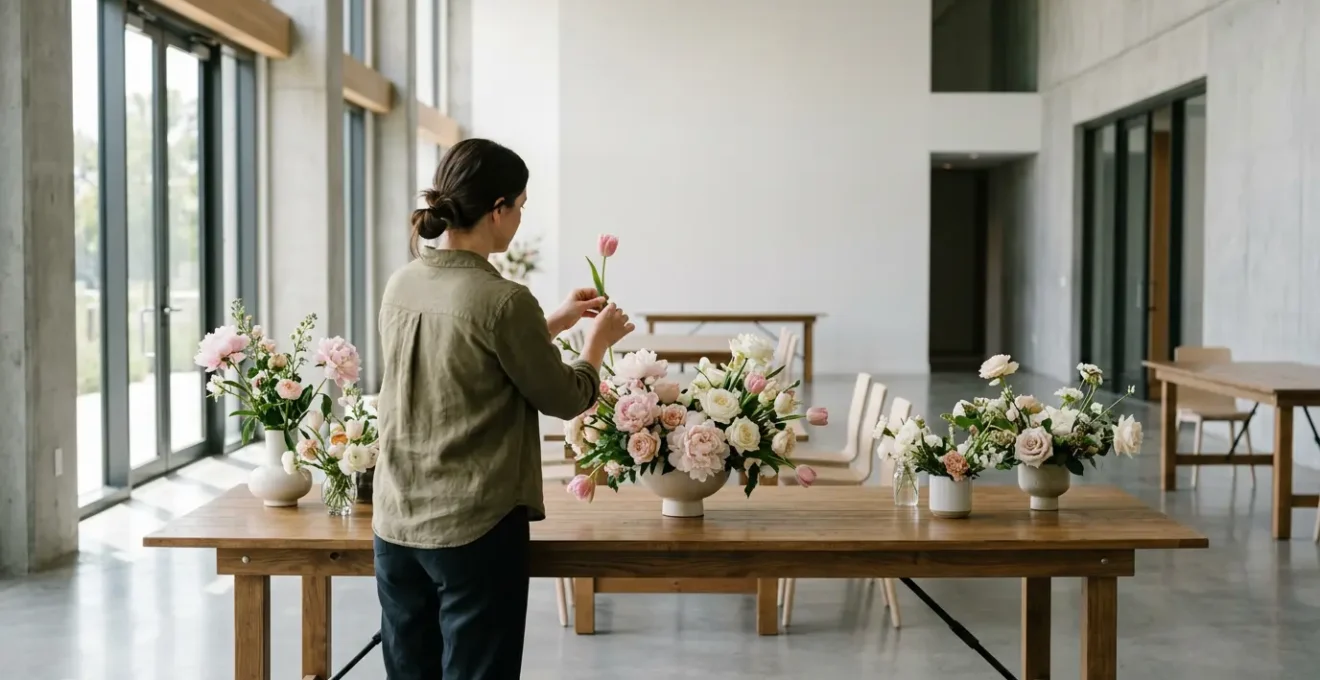
Floriography is not a dictionary to be memorized, but a strategic social language to be wielded.
- Specific flowers and colors allow you to craft nuanced messages for apologies, congratulations, or gratitude.
- Modern event designers use this “secret code” in corporate settings to symbolize project success and build brand narratives.
Recommendation: Think like a code-breaker. Combine a primary flower for your main message with foliage or secondary blooms to add subtle layers of emotional meaning.
In a world of instant messages and emojis, the art of sending a truly thoughtful, layered message feels all but lost. We often turn to flowers for significant occasions, yet most of us only scratch the surface of their potential. We pick a bouquet because it looks pretty, vaguely aware that red roses mean love, but the richer, more complex language they speak—floriography—remains a charming but dusty relic of the Victorian era. It’s a language of nuance, where the difference between a hyacinth and a tulip can change an apology from heartfelt to perfunctory.
But what if this silent language was not just a historical curiosity, but a powerful, modern tool for social strategy? The secret isn’t just knowing that a peony symbolizes prosperity. The real art lies in understanding *how* to use that peony at a business launch to communicate a narrative of success, or how to combine yellow roses with other blooms to erase their antiquated meaning of jealousy and shout a message of pure, unambiguous friendship. This is the shift from being a simple flower-giver to a sophisticated message-crafter.
This guide will not just give you a list of meanings. It will teach you the syntax of this floral code. We will explore how to select the right bloom for a specific emotional context, combine flowers to create complex statements, and even decode the secret messages you might receive yourself. It’s time to unlock the art of the silent conversation.
This article provides a complete framework for mastering the modern language of flowers. Below, you will find a detailed guide to crafting precise messages for any occasion, decoding bouquets you receive, and understanding the subtle evolution of floral symbolism.
Contents: Decoding the Modern Language of Flowers
- Hyacinth or Tulip: Which Flower Best Says “I’m Sorry” in Floral Code?
- Why Are Peonies the Ultimate Symbol for Prosperity and Success?
- How to Express “Thank You” with Dark Pink Roses?
- The Resilience Flower: Sending Gladiolus to Signal Strength
- When to Gift Daffodils to Mark a Fresh Start?
- How to Select a Floral Gift That appeals to Men?
- When Did Yellow Roses Switch from Jealousy to Friendship?
- How to Decode the Hidden Emotions Behind a Received Bouquet?
Hyacinth or Tulip: Which Flower Best Says “I’m Sorry” in Floral Code?
An apology is one of the most delicate social interactions, and your choice of flower can either amplify your sincerity or undermine it completely. This is where the code-breaker’s mindset becomes crucial. It’s not just about saying “sorry”; it’s about calibrating the message to the severity of the mistake. Sending the wrong signal can imply you don’t fully grasp the situation. The contest between the hyacinth and the tulip is a perfect example of this contextual nuance. A purple hyacinth conveys deep, soul-baring regret, making it appropriate for significant personal errors.
In contrast, a white tulip signifies a request for forgiveness and a clean slate. It’s a lighter, more forward-looking message, ideal for a professional misunderstanding or a minor disagreement between friends. Choosing a hyacinth for a small office blunder would seem overly dramatic, while a tulip for a major personal betrayal would feel dismissive. The key is to match the floral “weight” to the emotional weight of the situation, demonstrating your emotional intelligence.
This table breaks down the specific emotional payload of each flower, helping you select the precise tool for your apology. As this guide to apology flower selection illustrates, the right choice proves you’ve considered the impact of your actions.
| Flower Type | Primary Meaning | Best For | Context & Setting |
|---|---|---|---|
| Purple Hyacinth | Deep regret, sincere sorrow, asking for forgiveness | Serious transgressions requiring heartfelt apology | Personal relationships, close friends, family – intimate settings |
| White Tulip | Forgiveness, fresh start, clean slate, respect | Minor disagreements, professional apologies | Office environments, lighter misunderstandings, moving forward gestures |
| Blue Hyacinth | Sincerity, peace, constancy | Demonstrating ongoing commitment | Relationships where trust needs rebuilding |
Why Are Peonies the Ultimate Symbol for Prosperity and Success?
While many flowers convey positive sentiments, the peony stands in a class of its own as a symbol of prosperity, honor, and high-level success. Its power comes from a unique blend of historical prestige and physical form. Historically the “king of flowers” in Tang Dynasty China, peonies were so revered that only royalty could cultivate them, cementing their association with wealth and noble status. This ancient legacy gives the peony a gravitas that other flowers lack. It doesn’t just wish for success; it bestows a sense of honor and earned achievement.
The peony’s bloom is a visual metaphor for the journey to success. It starts as a tightly-coiled, modest bud, slowly and dramatically unfurling to reveal a lush, complex, and magnificent bloom. This transformation perfectly mirrors the lifecycle of a business venture or a personal project: from a small idea to a triumphant launch. This symbolic layering makes it a favorite for corporate events, where it communicates a sophisticated narrative of growth and accomplishment without saying a word.
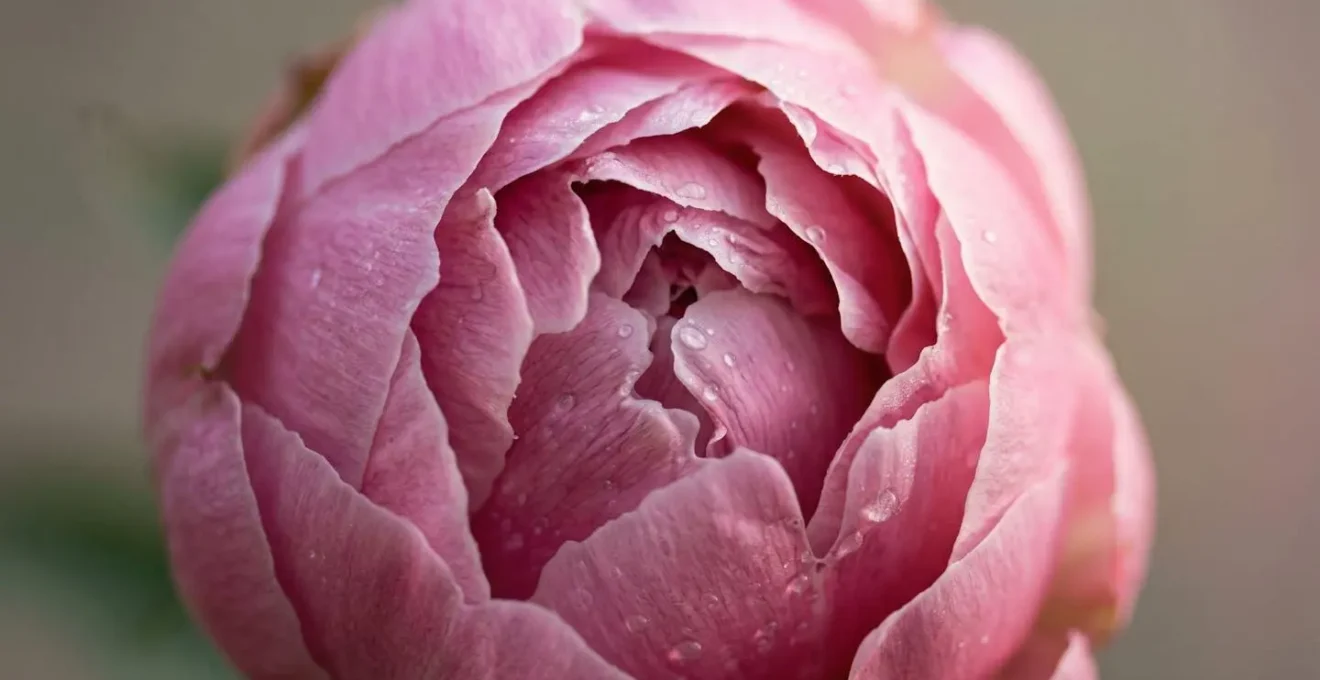
As you can see, the unfolding petals represent potential being realized. The choice of color further refines the message; contemporary floral design experts confirm that pink peonies are used for new ventures, red for passionate ambition, and white for a more humble, elegant success. This strategic use of color and form is a masterclass in modern floriography.
Case Study: Peonies From Imperial Court to Modern Boardroom
In contemporary corporate event design, peonies have successfully translated their ancient imperial symbolism into modern business contexts. Event designers leverage the peony’s slow, dramatic unfurling as a visual metaphor for project journeys from conception to successful launch. This makes them powerful storytelling elements in product launches, business anniversaries, and milestone celebrations, signaling not just financial success but also respect and integrity.
How to Express “Thank You” with Dark Pink Roses?
A simple “thank you” can carry a thousand different emotional shades, from casual appreciation to profound, life-changing gratitude. Floriography provides the tools to express that specific shade. While roses are broadly associated with love, different colors serve entirely different purposes. Light pink suggests sweetness and admiration, but for a deep and sincere “thank you,” the dark pink rose is the professional’s choice. Its rich, saturated color moves beyond simple affection into the realm of true appreciation and recognition.
According to contemporary florists, deep pink roses bordering on magenta have become the standard for expressing profound gratitude without the romantic overtones of red roses. This makes them incredibly versatile for modern social situations. They are the perfect way to thank a mentor for their guidance, acknowledge a colleague for their support on a difficult project, or show a friend how much their loyalty has meant to you. Using a dark pink rose signals that you are not just being polite; you are consciously acknowledging the depth of their contribution.
The art of message-crafting comes alive when you combine dark pink roses with other flowers to add further nuance. Pairing them with blue hydrangeas, for instance, adds a layer of heartfelt emotion for thanking someone for personal support. Mixing them with white lilies creates a more formal, elegant arrangement suitable for a corporate setting. This ability to construct a “floral sentence” is what elevates a simple gesture into a memorable and meaningful communication.
The Resilience Flower: Sending Gladiolus to Signal Strength
Some messages go beyond simple emotions like love or gratitude. When you want to acknowledge someone’s character, integrity, or their strength in the face of adversity, you need a flower with a powerful structure and meaning. The gladiolus, with its tall, sword-like stalk, is the ultimate symbol of resilience, moral fortitude, and victory. Its name is derived from the Latin word “gladius,” meaning sword, and it was the flower of the Roman gladiators, representing strength and the will to conquer.
Sending gladiolus is a non-verbal way of saying, “I see your strength,” “I admire your character,” or “Stand tall.” This makes it an incredibly powerful and supportive gift for someone graduating, recovering from a challenge, starting a new role, or even as a tribute to honor someone’s memory. The flower’s vertical, aspiring form naturally draws the eye upward, acting as a visual metaphor for reaching new heights and refusing to be bowed by circumstance. Its strong physical presence makes a statement that is both elegant and unyielding.
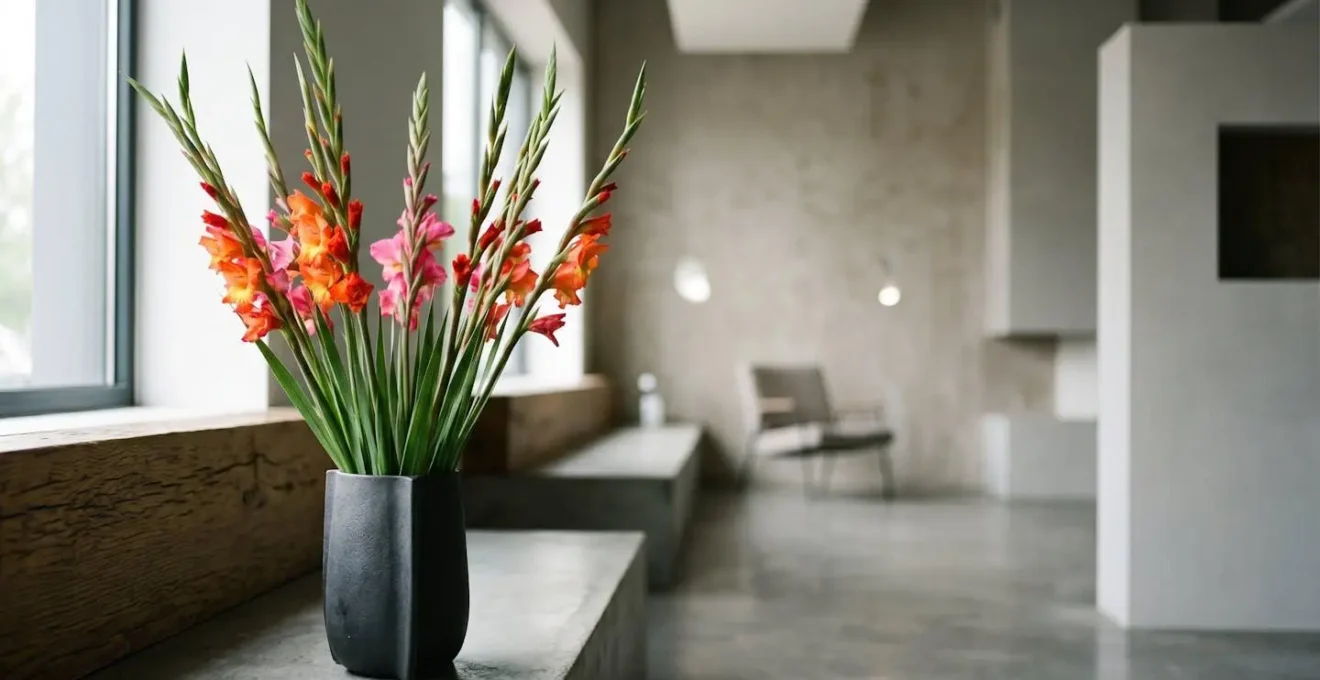
As with other flowers in our secret code, color adds another layer of meaning. Yellow gladiolus can signal strength rooted in friendship, while purple gladiolus represents a noble strength, perfect for someone standing up for their beliefs. This ability to fine-tune the message of strength makes the gladiolus a sophisticated and deeply meaningful choice for a thoughtful guest.
When to Gift Daffodils to Mark a Fresh Start?
Timing is everything in communication, and in floriography, some flowers are intrinsically linked to specific moments and themes. The daffodil is the undisputed herald of new beginnings. As one of the first flowers to break through the frozen ground after a long winter, its bright, cheerful trumpet announces the arrival of spring and the promise of a fresh start. Its symbolism is tied directly to this act of renewal, hope, and rebirth. Gifting a daffodil is a way to optimistically mark a new chapter in someone’s life.
The occasions for gifting daffodils are numerous and varied. They are perfect for celebrating a new job, a new home, the start of a new year, or a personal milestone like overcoming an illness. A bouquet of daffodils is a burst of sunshine and optimism, a tangible wish for future happiness and success. Crucially, because their meaning is so universally understood and positive, they are a very “safe” choice, free from the romantic ambiguities of roses or the somber weight of other blooms. They are a pure expression of hope.
Modern event planners have found clever ways to leverage this powerful symbolism, moving beyond simple decoration to create engaging experiences that reinforce the message of a fresh start. This transforms the flower from a passive object into an active participant in the event’s narrative.
Case Study: The Interactive ‘New Beginnings’ Daffodil Station
Event designers have successfully implemented interactive “flower bar” stations featuring daffodils at corporate rebranding events and recovery milestones. Attendees create their own small daffodil bouquets while receiving cards explaining the new beginnings symbolism. This interactive element transforms passive floral décor into an engaging experience, making the fresh start theme both memorable and personally meaningful. The hands-on participation deepens the emotional connection to the event’s transformative message.
How to Select a Floral Gift That appeals to Men?
One of the most common missteps in floral gifting is adhering to outdated, gendered aesthetics. Selecting a floral gift for a man isn’t about avoiding flowers altogether; it’s about shifting the focus from delicate beauty to strong symbolism, structure, and function. The clever strategist knows that the message is paramount. Instead of soft petals, think bold structures, architectural forms, and even practical uses. Sunflowers, for example, communicate adoration and loyalty through their steadfast, sun-tracking nature, while bamboo stalks represent resilience and flexibility.
The secret is to choose plants and flowers whose meaning is tied to concepts like honor, strength, remembrance, or success. Laurel branches have been a symbol of victory for millennia. Herbs like rosemary (remembrance) and mint (virtue) add another layer of appeal: they are functional. They can be used in cooking or drinks, making the gift both symbolic and practical, which is often highly appreciated. This approach bypasses traditional “feminine” tropes and focuses on a message of respect and understanding of the recipient’s character.
Furthermore, an expert in modern floriography knows that the container is part of the message. The choice of vessel can completely reframe the gift and align it with a more masculine aesthetic.
Case Study: Container as Message Strategy
Forward-thinking florists report success using non-traditional containers for male recipients. Think minimalist Ikebana-style arrangements, flowers presented in a whiskey glass or beer stein, or arrangements in concrete planters and wooden crates. A bourbon barrel planter filled with rosemary (remembrance) and thyme (courage) speaks to both a specific aesthetic and delivers a powerful, layered symbolic message. The vessel becomes an integral part of the communication, matching the recipient’s personality.
When Did Yellow Roses Switch from Jealousy to Friendship?
Few flowers have undergone such a dramatic semantic shift as the yellow rose. In the strict Victorian code of floriography, a yellow rose was a cutting accusation of jealousy or infidelity. Gifting one was a serious social slight. Today, however, it is universally recognized as the ultimate symbol of friendship, joy, and platonic affection. This complete reversal wasn’t an accident; it was a deliberate evolution driven by cultural change and commercial interests. So, how do you navigate this historical contradiction?
The shift began in the early 20th century. According to floriography historians, the post-World War I era saw floral distributors actively promoting the “friendship” meaning to expand the market for yellow roses beyond its negative connotations. The flower’s bright, sunny disposition was a natural fit for messages of cheer and camaraderie, and over time, this new meaning completely eclipsed the old one. However, for the true floriography expert, a trace of that old meaning creates an opportunity for strategic messaging.
To avoid any possible misinterpretation, especially with someone who might know the flower’s darker history, the key is “floral syntax.” Never send yellow roses alone. By combining them with other flowers, you create an unambiguous statement. Pairing them with pink roses (gratitude) creates a clear message of “thank you for your friendship.” Blending them with white alstroemeria (devotion) reinforces a purely platonic bond. Always including an explicit card message is the final “safety” measure that guarantees your friendly intentions are received loud and clear.
Key Takeaways
- Floral meaning is not fixed; it depends on color, combination, and context (e.g., dark pink roses for gratitude, not romance).
- The structure of a flower can be part of its message, like the tall, sword-like gladiolus symbolizing strength and resilience.
- Modern floriography is used strategically in corporate events to tell stories of success (peonies) and fresh starts (daffodils).
How to Decode the Hidden Emotions Behind a Received Bouquet?
Up to this point, we’ve focused on crafting messages. But what happens when you are on the receiving end? A bouquet is never just a random assortment of blooms; it’s a coded message waiting to be read. Adopting the decoder’s mindset allows you to appreciate the full depth of the sender’s thoughtfulness. Decoding a bouquet is a bit like forensic analysis, requiring you to look at the big picture and the smallest details to uncover the hidden emotions. It’s a four-part process that considers context, arrangement, key flowers, and details.
First, consider the context: who sent it, and for what occasion? A bouquet from a boss has a different starting interpretation than one from a new romantic interest. Second, assess the arrangement itself. Is it a grand, elaborate display, signaling the importance of the occasion? Or is it a small, minimalist posy, suggesting quiet, thoughtful restraint? Third, identify the “Rosetta Stone” flower—the primary or focal bloom that carries the central message. Finally, analyze the details. The filler flowers and foliage are not just there for decoration; they are the adjectives and adverbs of your floral sentence, adding layers of nuance to the main theme.

This process transforms you from a passive admirer into an active participant in the communication. As a clever twist, some modern florists are even making this “secret” language explicit, reflecting a contemporary desire for clarity alongside thoughtfulness. This trend of including “decoder key” cards lists each flower and its intended meaning, turning the secret message into a shared, conversational experience.
Action Plan: The C.A.R.D. Framework for Decoding a Bouquet
- Context Analysis: First, identify who sent the bouquet and for what occasion. The relationship and timing are the primary keys to interpretation.
- Arrangement Assessment: Examine the overall style and size. An elaborate arrangement signals importance, while a minimalist design suggests thoughtful restraint or intimacy.
- Rosetta Stone Flower: Identify the most prominent, or “focal,” flower in the arrangement. This bloom almost always carries the central, primary message.
- Details and Nuance: Analyze the filler flowers and foliage. These secondary elements add subtle emotional layers that modify or enhance the main message.
- Color and Quantity Check: Note any significant color variations (light vs. dark) or a specific number of stems, as these can drastically alter the meaning.
Now that you possess the keys to this silent language, your next floral gift can be more than just an object of beauty. Start crafting your own silent conversations and transform your gesture from a simple present into a clever, memorable message that will be truly understood and appreciated.