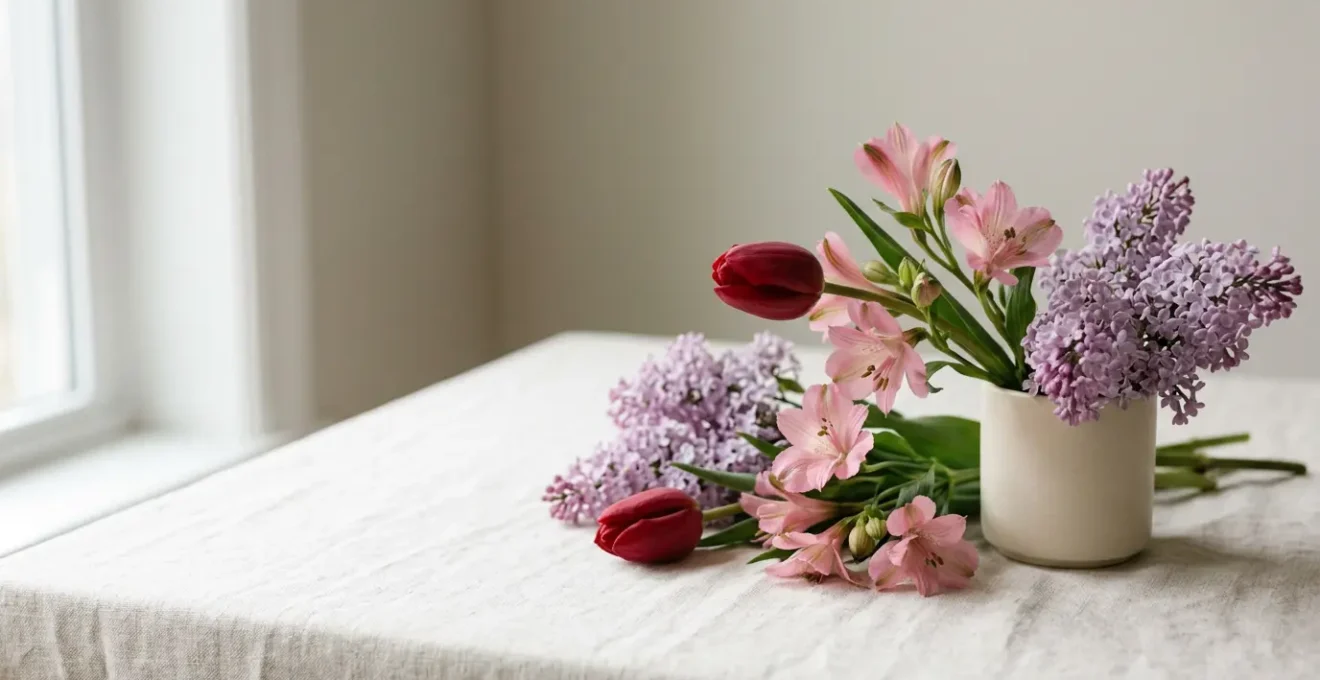
True romantic expression isn’t about the flower you choose, but the unique story you tell with it.
- Flowers like red tulips can offer a perfect, yet more modest, declaration of love for a new relationship.
- For established partnerships, the long-lasting alstroemeria beautifully symbolizes enduring strength and devotion.
Recommendation: Move beyond tired clichés by matching a flower’s symbolic resonance—its history, form, or even its scent—to your specific relationship milestone.
The pressure mounts. A significant date appears on the calendar—an anniversary, a birthday, or the commercial behemoth that is Valentine’s Day—and the default romantic gesture looms large: a dozen red roses. It is the expected, the traditional, the safe choice. But for a partner who values thoughtfulness over predictability, the red rose can feel less like a personal declaration and more like a generic transaction. It speaks a language everyone understands, but it may not speak the specific, intimate language of your own love story.
What if the real art of romance lies not in following the script, but in writing your own? The world of flowers offers a vocabulary far richer and more nuanced than this single, overused symbol. This is not about simply finding an alternative to roses. It is about embracing the concept of floral storytelling. It’s an approach where the choice of bloom, the timing of the gift, and even the number of stems are deliberate, thoughtful chapters in the narrative you are building together. It’s about choosing a flower whose symbolic resonance—its fleeting scent, its patient unfurling, its enduring lifespan—mirrors a specific quality of your connection.
This guide is your entry into that world. We will move beyond a simple list of alternatives and explore the strategy behind the gesture. You will learn not just what flower to give, but how to wield its unspoken code to articulate everything from the tentative thrill of first emotions to the profound strength of a lifetime of devotion. It’s time to let your love bloom with originality.
To guide you through this nuanced art of floral expression, this article is structured to explore different flowers and the specific romantic messages they convey. Each section delves into a unique scenario, helping you craft the perfect, personal gesture.
Contents: A Guide to Floral Storytelling
- Why Are Red Tulips a More Modest Declaration of Love?
- How to Use Alstroemeria to Symbolize Devotion in Long-Term Marriages?
- Lilacs and First Emotions: Capturing the Nostalgia of Early Romance
- The Camellia Error: When Does a Gift Signal Unrequited Longing?
- When to Send Flowers to Maximize the Romantic Impact?
- Hyacinth or Tulip: Which Flower Best Says “I’m Sorry” in Floral Code?
- 12 Roses vs. 1 Rose: What Does the Quantity Say About the Relationship?
- How to Follow the Traditional Anniversary Flower List Year by Year?
Why Are Red Tulips a More Modest Declaration of Love?
The red rose shouts, but the red tulip speaks. While both may signify love, they do so with vastly different tones. A bouquet of a dozen red roses often feels like a grand, public performance of affection. The red tulip, however, offers a declaration that is just as deep but far more personal and intimate. Its history is steeped in romantic legend, making it a powerful choice for a love that feels both epic and private. This meaning is not a modern invention; it is rooted in ancient Persian tales of tragic perfect love, like that of Farhad and Shirin, where red tulips were said to have sprung from droplets of blood shed for a soulmate.
This idea of a “perfect” or “flawless” love carried into more recent history. As the Blooming Expert Editorial Team notes regarding Victorian-era floral language:
In Victorian floriography, a gift of tulips was one of the clearest declarations a suitor could make: not merely that they admired someone, but that their love was without flaw or qualification.
– Blooming Expert Editorial Team, Tulip Meaning: All 9 Colours Decoded
Giving red tulips is a confident gesture. It says “I have found my perfect love in you” without the almost obligatory feel of roses. It’s an ideal choice for a new but serious relationship, where you want to make your deep feelings clear without the overwhelming weight of the red rose tradition. It’s a declaration that feels earned and discovered, not simply purchased.
How to Use Alstroemeria to Symbolize Devotion in Long-Term Marriages?
If new love is a spark, then long-term love is a steady, enduring flame. For expressing this profound, time-tested devotion, few flowers are as symbolically perfect as the alstroemeria, also known as the Peruvian Lily. Its power lies not in a fleeting, passionate statement, but in its very structure and resilience. The most potent piece of its symbolic resonance is its remarkable longevity. While roses may wilt within a week, a well-cared-for alstroemeria bouquet has an exceptional vase life of up to two weeks. This isn’t just a practical benefit; it’s a living metaphor for a love that lasts, a partnership that endures through the seasons of life.
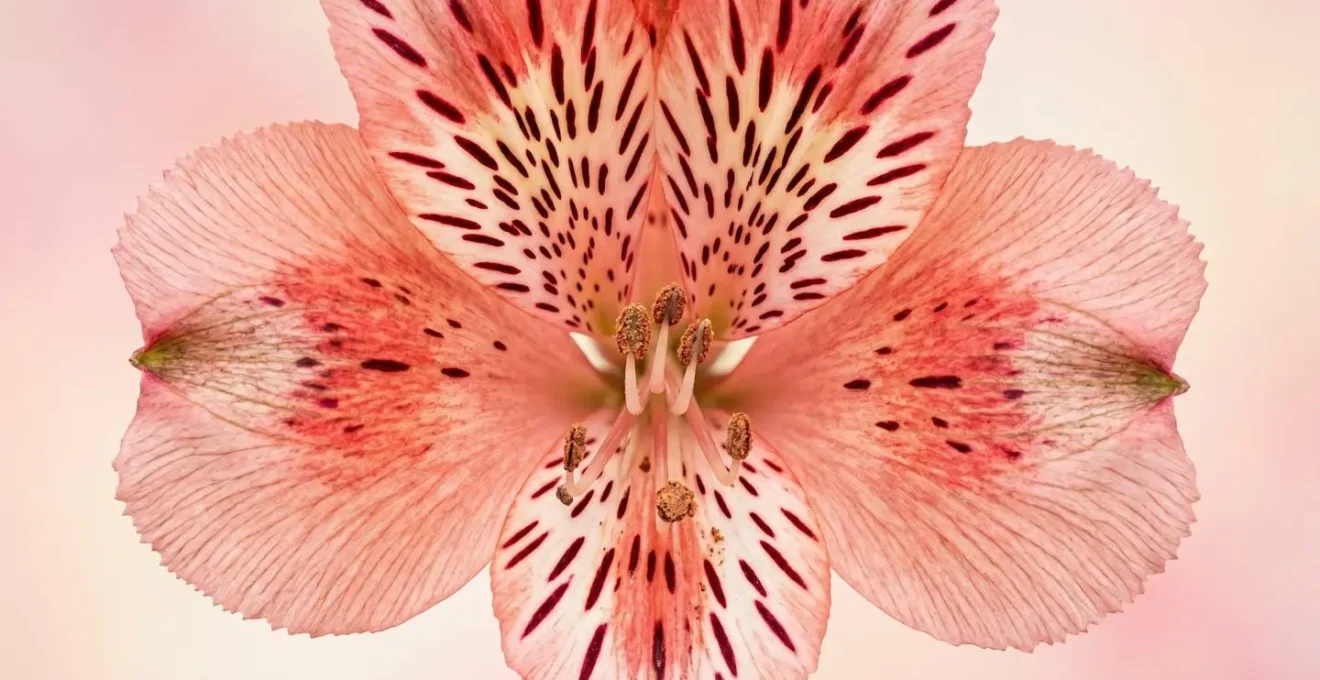
Going deeper, the alstroemeria flower itself tells a story of partnership. Its six petals are traditionally said to represent the core pillars of a strong relationship. This transforms the flower from a simple decoration into a meaningful tribute to the work and respect that underpins a lasting marriage. It’s a way of saying, “I see and value every part of what we’ve built together.”
Your Action Plan: The Six Pillars of Partnership
- Understanding: The first petal represents mutual comprehension and emotional intelligence.
- Humour: The second petal symbolizes shared laughter and joy in daily life.
- Patience: The third petal embodies tolerance through challenges and growth.
- Empathy: The fourth petal signifies deep compassion and emotional support.
- Commitment: The fifth petal represents unwavering dedication to the relationship.
- Respect: The sixth petal stands for honoring each other’s individuality and boundaries.
Choosing alstroemeria for a significant anniversary or just as a gesture of appreciation is a deeply thoughtful act. It acknowledges that true love isn’t just about passion; it’s about the everyday strength, patience, and mutual respect that make a partnership thrive for years.
Lilacs and First Emotions: Capturing the Nostalgia of Early Romance
Some moments in love are so perfect and fleeting that you wish you could bottle them. The nervous excitement of a first date, the innocent thrill of a first kiss, the magic of early romance—these are feelings defined by their ephemeral nature. The lilac, with its brief but glorious blooming season and intoxicating fragrance, is the perfect floral embodiment of this sweet, youthful nostalgia. Its power is not visual, but deeply sensory. Scent is the most powerful trigger for memory.
The connection between smell and memory is not just poetic; it’s scientific. Unlike our other senses, the olfactory bulb has direct connections to the amygdala and hippocampus, the brain regions strongly associated with emotion and memory. This is why a single scent can transport you back in time with a startlingly emotional rush. In fact, some research published in Current Opinion in Psychology demonstrates that odor-cued memories are often more emotional and vivid than those triggered by sight.
Giving lilacs is a gesture of pure romanticism. It says, “I remember the beginning,” or “You still make me feel that first-blush excitement.” It’s a perfect flower to give on the anniversary of a first date or simply on a spring day that reminds you of how your love story began. You are not just giving a flower; you are giving a memory. The gift is a nod to the innocence and wonder of those initial feelings, acknowledging their foundational role in the love you share today. The purple variety, in particular, symbolizes the very first pangs of love, making it an exquisitely precise tool in your floral storytelling arsenal.
The Camellia Error: When Does a Gift Signal Unrequited Longing?
Not all romantic flowers tell a story of mutual love. Some carry a more complex, vulnerable message, and understanding this nuance is key to avoiding a “Camellia Error.” The camellia is a stunningly beautiful flower, with perfectly formed petals that symbolize perfection and admiration. However, its traditional meaning, especially for the pink or red varieties, is one of longing and deep desire. Giving a camellia is akin to saying, “I am longing for you,” or more intensely, “My fate is in your hands.”
This makes the camellia a high-risk, high-reward choice. In the right context—a budding romance where both parties feel a palpable, unspoken tension—it can be an incredibly powerful and courageous gesture. It can break the ice and elevate the relationship to a new level of acknowledged feeling. It says you are willing to be vulnerable and lay your heart on the line. It is the floral equivalent of a heartfelt, beautifully penned love letter sent before you’re sure of a response.
However, this is where the error can occur. If this deep sense of longing is not shared, the gift of a camellia can create awkwardness or even pressure. It can signal an imbalance of affection, turning a beautiful flower into a symbol of unrequited love. Unlike the confident declaration of a tulip, the camellia is a question. It is best reserved for moments when you have a strong intuition that your feelings are, or could soon be, returned. It’s a flower for the bold romantic who understands that sometimes, the most profound expressions of love involve an element of risk.
When to Send Flowers to Maximize the Romantic Impact?
In floral storytelling, the “when” is just as important as the “what.” The most predictable occasions—Valentine’s Day, anniversaries—are wonderful, but they come with a weight of expectation. The truly unforgettable gestures are often the ones that arrive without a calendar prompt, on an ordinary Tuesday, “just because.” The element of surprise is a powerful amplifier of romance. It transforms a simple gift into a declaration that you are thinking of your partner even when there is no obligation to do so.
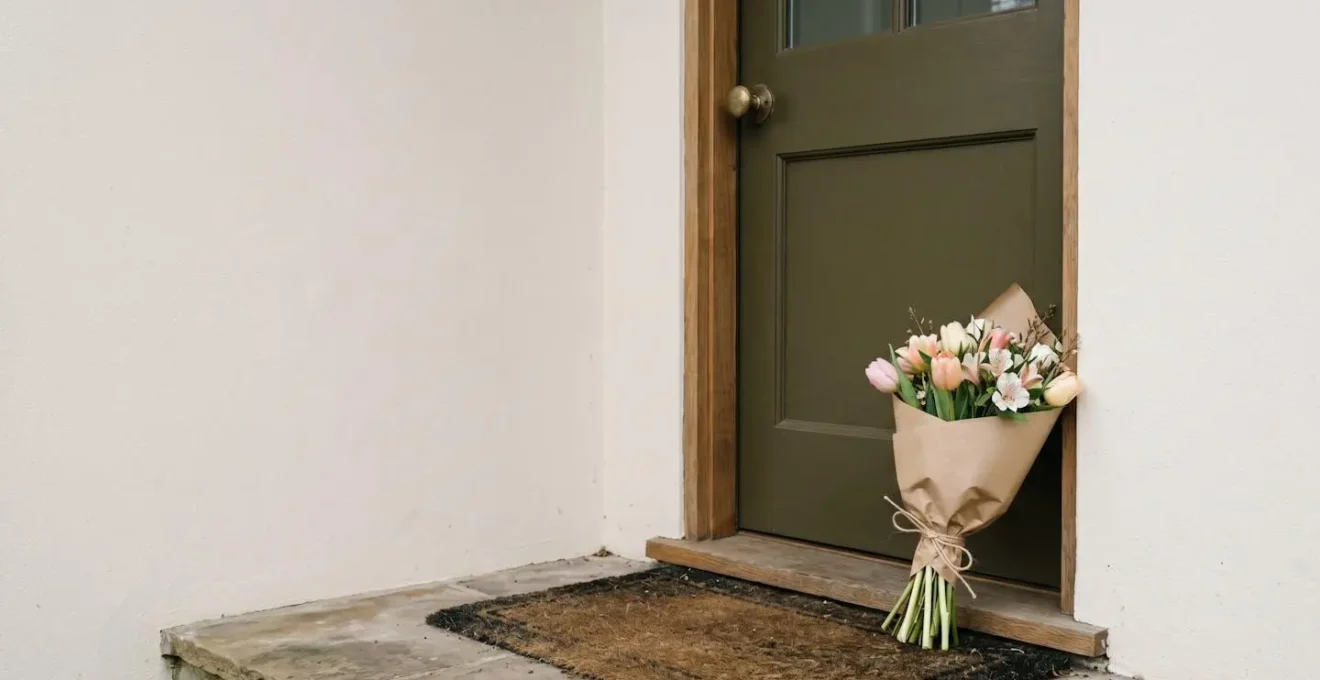
This idea of spontaneous affection is at the heart of creative romance. It’s about creating moments of joy and connection outside of designated celebrations. An unexpected delivery to their workplace after a tough week, or a single stem waiting for them at home, speaks volumes about your attentiveness and care.
While Valentine’s Day and anniversaries are the most obvious choices, love doesn’t need a date on the calendar.
– Flowers.ie Editorial Team, The Most Romantic Flowers and Their Meanings
Beyond the “just because,” consider other strategic moments. Send flowers the day *before* a big presentation to say “I’m your biggest supporter.” Send them the day *after* a major accomplishment to say “I’m so proud of you.” Or send them to celebrate a private joke or a shared milestone that only the two of you understand. By detaching the floral gift from obligation and linking it to the real, everyday texture of your life together, you elevate it from a simple present to a truly meaningful and memorable act of love.
Hyacinth or Tulip: Which Flower Best Says “I’m Sorry” in Floral Code?
Flowers can also be powerful tools for reconciliation, but here too, nuance is everything. When you need to apologize, the message you want to send is critical. Are you pleading for forgiveness, or are you offering a clean slate? The choice between a hyacinth and a white tulip can define that message. The purple hyacinth is traditionally associated with sorrow and is the floral way of saying, “Please forgive me.” It is a gesture of earnest regret, a direct plea for another chance. It’s a flower that carries a certain weight and solemnity, suitable for when you know you have made a significant mistake.
The white tulip, on the other hand, speaks a different, more hopeful language. It offers a path forward. White tulips have long been symbols of purity, honor, and holiness. But in the unspoken code of flowers, their strongest message is one of forgiveness and new beginnings. This is why, according to Victorian floriography traditions, they are so strongly tied to fresh starts. Giving white tulips is less of a plea and more of an offering. It says, “I am sorry, and I want to move past this with you. Let’s start over.”
So, which to choose? If your goal is to express deep remorse and ask for clemency, the hyacinth is your messenger. It focuses on the apology itself. But if your goal is to acknowledge the mistake while also building a bridge to the future, the white tulip is the more optimistic and constructive choice. It acknowledges the past but, more importantly, looks toward a reconciled future. It is an apology and a peace treaty in one elegant bloom.
12 Roses vs. 1 Rose: What Does the Quantity Say About the Relationship?
Even within the world of roses, moving beyond the cliché can be as simple as adjusting the quantity. The grand gesture of a dozen red roses has become so ingrained in our culture that it can sometimes feel impersonal, a box-ticking exercise in romance. It’s a loud, public declaration. But the gift of a single, perfect red rose carries a completely different, and arguably more profound, meaning. It is an act of quiet confidence and intimacy.
A dozen roses says “I love you” in a way that is designed to be seen by others. A single rose says, “You are the one.” It is a focused, singular statement. It implies that out of all the flowers in the world, this one perfect bloom was chosen specifically for them, just as they were chosen. It’s a gesture that doesn’t need to shout to be heard; its power is in its simplicity and directness. It’s a secret shared between two people, not a spectacle for the world.
This sentiment is beautifully captured by floral experts who understand the subtle codes of romance. As horticulturalist Amanda Rose Newton puts it:
The gift of a single red rose on the most romantic day of the year is worth a thousand phrases.
– Amanda Rose Newton, Using Flowers to Speak the Language of Love
Choosing a single rose over a dozen is a strategic decision. It shows a level of confidence in the relationship that doesn’t require extravagant proof. It is particularly powerful in a long-term partnership, where it can reaffirm that “you are still the one” after all these years. It cuts through the noise and delivers a pure, undiluted message of singular devotion.
Key Takeaways
- True romantic expression is found in floral storytelling, where every choice is a deliberate, personal message.
- Match the flower’s inherent symbolism (e.g., longevity, scent, history) to the specific stage and feeling of your relationship.
- The timing, context, and quantity of the gift are as crucial as the bloom itself in crafting a memorable romantic gesture.
How to Follow the Traditional Anniversary Flower List Year by Year?
For those who appreciate a guiding structure in their romantic gestures, the traditional anniversary flower list offers a wonderful framework. However, it should be seen not as a rigid set of rules, but as a series of creative prompts—a starting point for your floral storytelling. Each year is assigned a specific flower, and using this list can show a level of thoughtfulness and an appreciation for tradition that is deeply romantic in itself.
For example, the first anniversary is the carnation, symbolizing youthful, passionate love. The fifth is the daisy, representing fidelity and forever love. Following this list demonstrates foresight and a commitment to celebrating each milestone. It becomes a tradition within your own relationship, creating a collection of memories tied to each year’s specific bloom. It’s a way of saying, “I am committed to celebrating every single year with you.”
This tradition continues deep into a marriage, offering ever more unique opportunities for expression. For instance, alstroemeria is designated as the official flower for the 30th wedding anniversary. After three decades together, giving a flower that symbolizes strength, devotion, and endurance—as we’ve explored—is an incredibly poignant and fitting gesture. It shows you’ve moved from the initial passion of the carnation to the deep, resilient love represented by the Peruvian Lily. The list provides the “what,” but it is up to you to provide the “why,” connecting the flower’s meaning back to your shared journey.
Ultimately, expressing your love is a creative act. By looking beyond the obvious and embracing the rich, symbolic language of flowers, you can turn a simple gift into a profound and personal statement. Start telling your own floral story today by choosing a bloom that truly speaks to your unique connection.